How to Start a Handyman Side Hustle in 2026
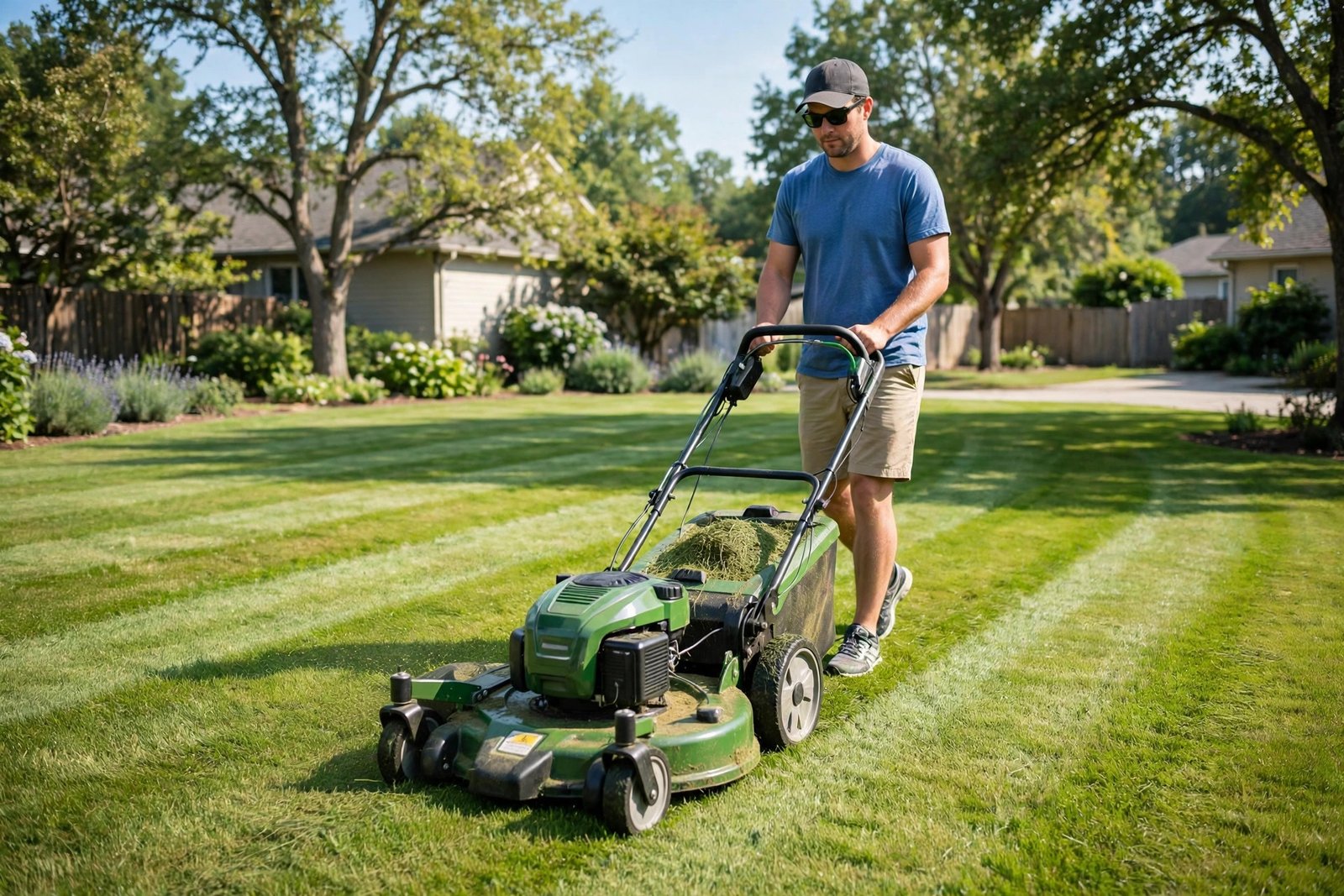
Learning how to start a handyman side hustle is a good fit if you are handy around the house, you like fixing things, and you want weekend income without a big startup cost. A handyman side hustle means doing small home repairs and maintenance jobs for paying customers: mounting shelves and televisions, assembling flat-pack furniture, fixing doors, patching drywall, painting touch-ups and small plumbing and fixture swaps. You can start with the tools you already own, and grow only when the work is there.
This guide is for complete beginners. You will learn which jobs to take and which to refuse, how licence rules work, what tools and insurance you need, how to price your work, and how to find your first customers.
In this guide
- What a handyman side hustle really is
- Step 1: List the jobs you will and will not do
- Step 2: Check the licence rules where you live
- Step 3: Register and set up the money side
- Step 4: Get insured before the first job
- Step 5: Sort your tools and transport
- Step 6: Set your prices and a minimum call-out
- Step 7: Find your first customers
- Worked example: one month of handyman weekends
- What it costs and what to expect
- Common mistakes
- Risks and scams to watch for
- Frequently asked questions
What a handyman side hustle really is
A handyman fills the gap between the homeowner and the specialist contractor. Every home has a list of jobs that are too small for a big contractor to bother returning the call about, and too involved for the homeowner to face alone. A wobbly ceiling fan, a door that will not latch, a television still leaning against the wall, a leaky caulk line, a flat-pack dresser in three boxes in the garage. Those jobs are money sitting on the table, waiting for someone reliable to knock on the door.
Your sweet spot is the broad middle of home maintenance. If a job needs a permit, a licence or a second set of hands on a ladder all day, it is probably out of scope at first. Almost everything else is fair game. The work rewards reliability, tidiness and showing up when you said you would, more than it rewards speed or fancy tools. You get paid the same day on most small jobs, which is rare and wonderful for a new business. For the wider picture of starting small, read how to start a side hustle.
| Job group | Typical jobs | Why it pays |
|---|---|---|
| Mounting and hanging | Televisions, shelves, mirrors, art, curtain rods, grab bars | High demand, fast, great before and after photos |
| Assembly | Flat-pack furniture, grills, desks, exercise gear | People happily pay to skip the instructions |
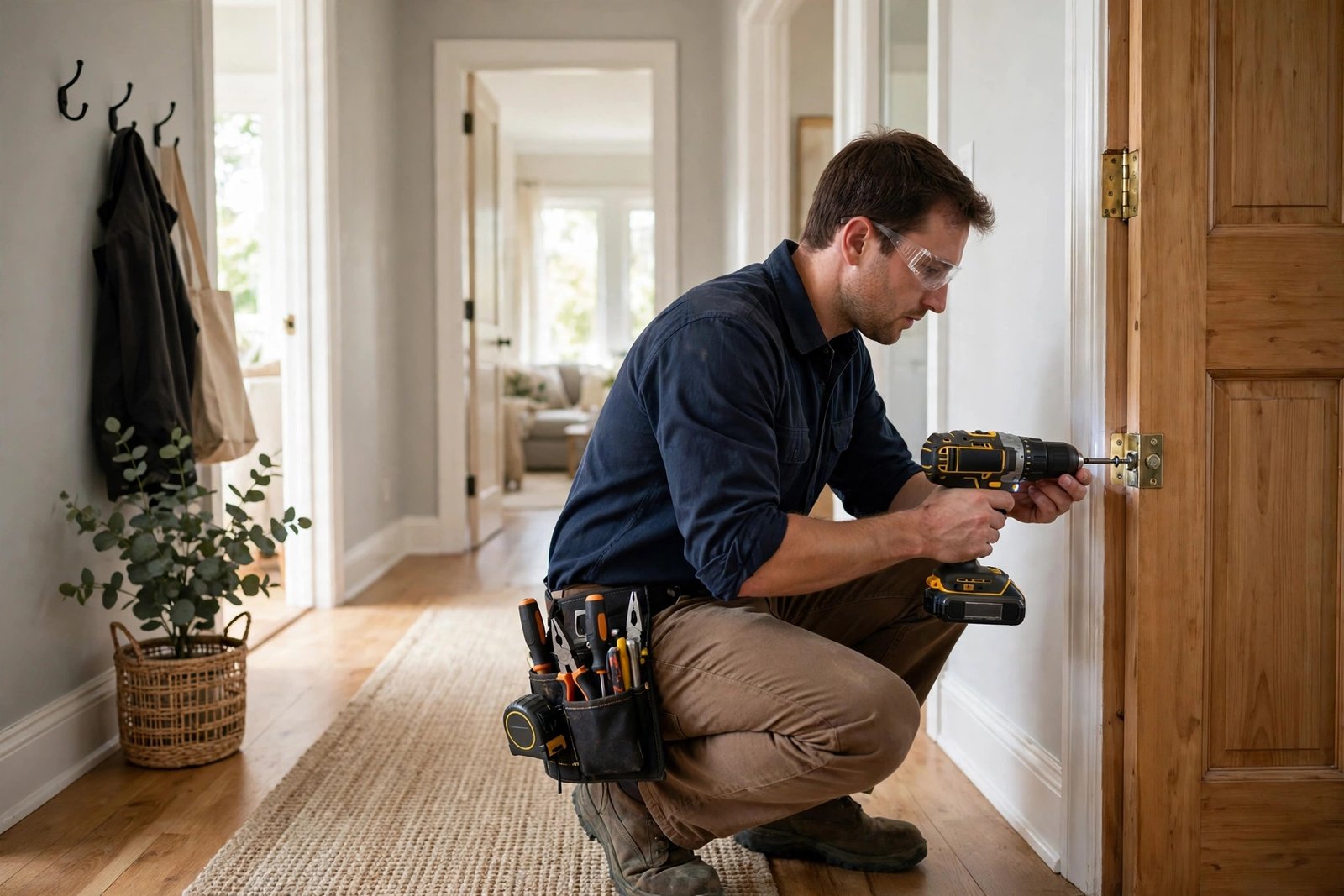
| Doors and hardware | Latches, hinges, weatherstripping, locks, knobs, soft-close | Quick wins that make you look skilled |
| Drywall and paint | Patch holes, anchor repairs, touch-up paint, caulking | Bundles well with mounting work |
| Fixtures | Faucets, toilets, towel bars, light fixtures, like for like swaps | Stay within what your area allows |
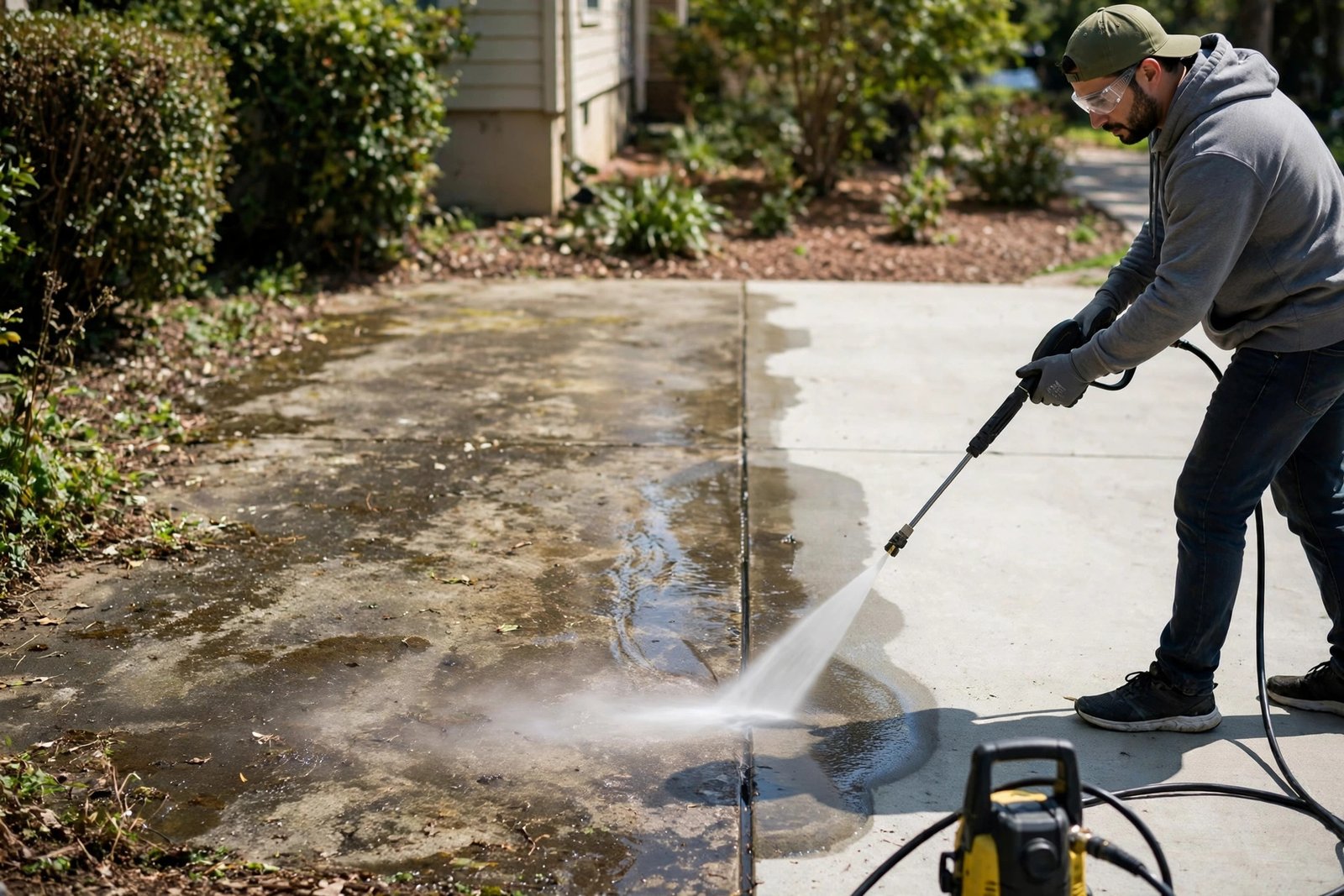
| Outdoor and misc | Fence pickets, gates, gutter cleaning, screens, small pressure washing | Seasonal money and easy upsells |
Step 1: List the jobs you will and will not do
Before you take a single job, write two lists. The first list is the jobs you can do well today. The second list is the jobs you will not take, and you should say so on your website and your quotes. Deciding what you will not do is as important as deciding what you will do, because one job outside your skills can cost you your reputation and more.
A good starter list covers shelves, doors, flat-pack assembly, television mounting, minor plumbing, painting, tiling repairs and gutter cleaning. Your refuse list should include gas work, major electrical work, structural work and anything that needs a permit you do not hold. In Great Britain, for example, anyone employed to work on gas appliances in homes must be Gas Safe registered. In most places, electrical, plumbing, gas, heating and structural work need a specific trade licence no matter how small the job. Like-for-like swaps are sometimes allowed and sometimes not, so do not guess. A short call to your state or local licensing board settles it.
Think about your customers too. Name three kinds: homeowners, landlords and small offices or estate agents. Landlords and property managers are gold, because they have constant repeat turn work and value reliability over the lowest price. One good property manager can keep you busy for months. Realtors need fast pre-listing fixes and post-inspection repairs, and they become the person who texts you at 8 in the morning. For the wider method of picking a side hustle that fits, read how to choose the right side hustle.
Step 2: Check the licence rules where you live
Licensing is the part that trips up new handymen the most, not because it is complicated, but because the rules change wildly depending on where you live. There is no single national handyman licence. Rules are set state by state, and sometimes by your city or county on top of that. Two things vary the most, and you need to know both before you take a dollar.
The first is the per-job dollar cap. Many US states let you do general repair work without a contractor's licence only up to a cap per job, often somewhere in the few hundred to few thousand dollar range. Go over it and you may legally need a contractor's licence. The fix is simple: know your state's number, and keep individual jobs under it until you decide to get licensed. Note that published figures for the same state can conflict. One guide cites a California limit of 500 US dollars, while another cites a dated check of the Contractors State License Board saying the limit is 1,000 US dollars since 1 January 2025. Do not rely on either figure from this guide. Check the current figure with the board itself before you quote.
The second is the forbidden trades. Almost everywhere, electrical, plumbing, gas, heating and structural work require a specific trade licence no matter how small the job. Some cities want a basic business licence or registration even for handyman work. That is cheap, fast and worth doing right. While you are at it, ask whether your county requires you to register your business name. In the United States, if you work on homes built before 1978, you may also need EPA Lead-Safe certification, because even sanding or disturbing painted surfaces can trigger the requirement. Check that rule before you take on older homes.
The handymen who last are not the ones who do everything. They are the ones who know exactly where their lane ends, and refer the rest with a smile. Turning a job down and referring it to the right professional builds trust, and it almost always comes back to you as future work.
Step 3: Register and set up the money side
This is the part that turns a side hustle into a business you can stand behind. You can knock out the whole sequence in an afternoon or two, mostly online. Form a limited liability company, known as an LLC, or register as a sole proprietor. An LLC puts a legal wall between your business and your personal assets, which matters a lot when you are drilling into someone's wall. A sole proprietorship is simpler and cheaper, but your personal assets are not protected if something goes wrong. The US Small Business Administration explains the business structures on its register your business page.
Get an EIN from the IRS, which is free and takes about ten minutes. You will use it to open a bank account and keep your Social Security number off your paperwork. You can apply on the IRS EIN page. Never pay a third party for an EIN. Open a business bank account, and never mix business and personal money. It makes taxes and bookkeeping miserable, and it weakens your LLC protection.
In the United Kingdom, most handymen start as a sole trader. You register with HMRC soon after you start trading and complete a Self Assessment tax return each year. You only need to register for VAT once your turnover passes the VAT registration threshold. The GOV.UK page on setting up as a sole trader explains the steps, including keeping records and paying Income Tax and National Insurance on your profits.
Set up invoicing and bookkeeping from the start. Even if you take cash, send a real invoice and track every dollar. Invoice on the day, while the customer is happy, not at the end of the month. Keep a customer list with address, job history and notes. Take before and after photos on every job and save them by customer. For help with the money side, read how to invoice freelance clients and freelance taxes for beginners.
Step 4: Get insured before the first job
Get general liability insurance before the first job, not after the first accident. You are working inside people's homes, on ladders, near their things. A dropped shelf, a flooded kitchen or a ladder through a window can cost more than a year of profit. General liability cover protects you against financial loss from bodily injury, property damage, medical expenses and lawsuits. Typical cover costs about 500 to 2,500 US dollars a year, depending on your area and the work you do, and many landlords and property managers will ask for proof of it before they hire you.
Other cover to consider: workers' compensation, which is required once you hire employees; commercial auto insurance, if you use a truck or van for work; and bonding, which is sometimes required for government jobs or rental properties and reassures customers that you are trustworthy and financially backed. Insure your tools and van against theft as well. Get quotes from more than one provider, because prices vary a lot. Read what the policy actually covers, and check whether damage to property you are working on is included.
Write a simple safety routine and follow it on every job: check ladders before you climb, isolate power and water before you touch a fixture, wear gloves, safety glasses and a dust mask, and keep a first aid kit and a fire extinguisher in the van. Safety is not paperwork. It is what keeps a small mistake from becoming a claim.
Step 5: Sort your tools and transport
You probably own most of the tools already, and that is exactly why a handyman business is cheap to start. Resist the urge to spend your first month's profit at the tool store. Start with a solid core kit, and buy specialty tools only when a paying job requires them, and bill that tool into the job. That way your clients fund your tool collection instead of your savings account.
| Kit group | What to include |
|---|---|
| Core hand tools | Screwdrivers, pliers, tape measure, level, stud finder, adjustable wrenches, utility knife, putty knives, caulk gun, drywall patch kit |
| Power tools | Cordless drill and driver with a bit set, oscillating multitool, sander, circular saw, wet and dry shop vacuum |
| Safety gear | Gloves, safety glasses, dust mask or respirator, knee pads, ear protection |
| Consumables | Screws, plugs, sealant, washers, sandpaper, anchors, fasteners, drop cloths |
| Transport | A van, a car with a roof rack, or a trusted delivery service for materials |
A reliable cordless drill and driver with a bit set is the single most used tool you will own. A multi-position ladder lets you reach the job and still fits in a normal vehicle. A phone with a tripod is a business tool too, because your camera takes the before and after photos that win the next job. Refurbished or gently used tools from trusted brands often last just as long as new ones, and can cut your startup costs in half. Set up an account with one or two local suppliers, and stock common consumables so you are not driving to the hardware store on every job. For more on keeping startup costs low, read side hustles with low startup costs.

Step 6: Set your prices and a minimum call-out
More new handymen fail from underpricing than from a lack of work. It feels generous to quote low, and it fills your calendar fast, but it fills it with exhausting, barely profitable days that you cannot sustain. Your price has to cover not just the hour you are turning a wrench, but the drive, the materials, the insurance, the fuel and the quote you gave that did not book. Price for the whole picture, not the visible hour.
Work out your hourly rate from your costs and the pay you need, divided by your realistic billable hours. Only about five of each working day's hours are billable once travel, quoting and buying materials are counted. So divide your monthly costs plus the pay you want by about 100 billable hours a month, not 160. Then set a minimum call-out charge, for example two hours, so a one screw fix 30 minutes away is still worth the trip. Write fixed prices for your ten most common jobs, such as television mounting or flat-pack assembly. Decide how you will charge for materials: at cost plus a fixed markup, or customer supplies. Decide your deposit rule for jobs with materials, and take a deposit when materials are involved.
Use hourly pricing for odd jobs and unpredictable scopes, and flat-rate pricing for standard, repeatable jobs, because clients prefer knowing the number up front and flat rates reward your speed. As you learn how long things take, lean into flat rates. Always quote a clear scope of work in writing before you start, so that "while you are here, could you also" becomes a new line item, not free labour. Typical hourly rates for handymen run 50 to 125 US dollars, depending on experience, specialty and location. Check what local handymen charge, and price in the middle, not at the bottom. For a full method on setting rates, read how to set freelance rates.
Step 7: Find your first customers
Your first jobs come from people, not from search engines. Tell everyone you know, with a clear list of jobs and a booking link. Friends, family, former coworkers, your gym, your church. Do a few jobs visibly and well, and word travels. Then set up a Google Business Profile and ask your first customers for reviews. It is the listing that appears in map results when someone searches for a handyman near them, and it costs nothing but an afternoon. You can set one up on Google Business Profile. Keep your name, address and phone identical everywhere, because inconsistencies quietly hurt your local ranking.
Post before and after photos on Instagram, Facebook or WhatsApp status. A clean after shot of a perfectly mounted television sells the next ten jobs. Join local community groups and answer requests helpfully, without spamming. Post on Nextdoor, where neighbours are always asking for a reliable handyman. Contact landlords, estate agents and property managers who need regular repairs, and offer regular customers a maintenance visit every three or six months.
Leave the job site better than spotless. The clean truck, the swept floor, the text that says to let you know if anything is not perfect, that is your marketing department. Follow up every finished job with a thank you and a request for a review. Offer a small discount on a future service in exchange for an honest review. Your first 90 days should look like this: days 1 to 14, confirm your licence rules, form your business, get your EIN, open a bank account and buy liability insurance; days 15 to 30, set up your Google Business Profile, build a one-page website, print simple cards; days 31 to 60, tell your whole circle, post on Nextdoor, take photos on every job and ask each client for a same-day review; days 61 to 90, reach out to five property managers and five realtors, refine your pricing and minimum, and raise your rates if you are fully booked.
Worked example: one month of handyman weekends
Example only: these numbers are not typical results. They show how the maths works for one month of weekend work, in US dollars.
A handyman works 8 weekend days in a month, doing 3 small jobs a day at an average of 90 US dollars per job.
| Line | Amount |
|---|---|
| 24 jobs at 90 US dollars | 2,160 US dollars |
| Materials bought for jobs | minus 240 US dollars |
| Fuel and travel | minus 160 US dollars |
| Insurance share for the month | minus 100 US dollars |
| Tool replacement fund | minus 60 US dollars |
| Gross profit before tax | 1,600 US dollars |
The work takes about 72 hours on site, plus about 24 hours of driving, quoting and buying materials, so 96 hours in total. That is about 16 US dollars per hour before tax, which is low, because the example uses small jobs and a low average price. If the same handyman charges 120 US dollars per job instead, the gross rises to 2,880 US dollars and the profit before tax rises to 2,320 US dollars, which is about 24 US dollars per hour. The lesson is clear: small jobs at low prices fill your weekends without paying well, so raise your prices and your minimum call-out as soon as you have reviews and demand.
What it costs and what to expect
Starting a handyman side hustle costs very little if you already own tools: registration, insurance, a few extra tools and some marketing. Most people land somewhere between 500 and 2,000 US dollars to get going, or 2,000 to 10,000 US dollars if they need a vehicle, more tools or a bigger marketing push. Monthly running costs are fuel, insurance, tool replacement, consumables and phone, usually a few hundred dollars.
Expect a slow first month. Your first jobs will come from people you know, and your Google Business Profile will take time to gain traction. A realistic first three months is a handful of jobs a week, growing as reviews build. Many handymen earn 50,000 to 100,000 US dollars a year once established, especially with regular clients and recurring work, but that is a full-time figure after a year or more, not a starting point. As a side hustle, a few hundred to a couple of thousand dollars a month is a realistic aim once you have a steady round of customers. Results vary with your area, your prices and how many hours you can give.
The work is physical and sometimes awkward. You will be on ladders, under sinks and in dusty corners. You will deal with customers who change their minds mid-job, and with jobs that turn out bigger than they looked. Keep your calendar honest: if you only work weekends, say so, and do not book jobs you cannot finish well. When your calendar is full two weeks out, you are underpriced, and it is time to nudge your rates up.
Common mistakes
- Saying yes to everything. One job outside your skills can cost you your reputation and more.
- Quoting vague prices. "About 50 US dollars" becomes an argument. List what is included.
- Buying materials with your own money and no deposit. A materials deposit protects your cash.
- Invoicing at the end of the month. Invoice on the day, while the customer is happy.
- No photos. Before and after photos settle disputes and win the next job.
- Underpricing to win work, then being unable to raise prices without losing customers.
- Working without insurance to save money. One claim can wipe you out.
- Taking on licensed trade work without the licence. Know where your lane ends.
- Forgetting to charge for the drive. Travel time is work time.
Risks and scams to watch for
The biggest risk is taking on work you are not licensed or skilled to do. Electrical, plumbing, gas and structural work can injure people and damage homes, and doing it without the right licence can leave you legally exposed and uninsured. Refuse those jobs, refer them to a licensed professional, and keep a record of the referral.
Watch out for customers who refuse to agree a price in writing, who ask you to start before materials are paid for, or who keep adding work without agreeing a new price. Agree the scope, the price and the payment terms in writing before you start, and take a deposit when materials are involved. Be careful with jobs in homes built before 1978, where disturbing paint can trigger lead safety rules. Check the rule before you sand or cut into old paint.
There is also the risk of non-payment. Small jobs paid in cash are simple, but larger jobs should be invoiced, with clear payment terms. If a customer will not pay, a written quote, photos and an invoice are your evidence. Be careful with franchise offers and courses that promise guaranteed income. No course can guarantee customers. Start small, spend little, and let paying work decide what you buy next. For the wider method of choosing a side hustle that fits your life, read how to choose the right side hustle.

Frequently asked questions
Do I need a licence to be a handyman?
It depends on where you work and the job. Some places let handymen do small jobs without a licence but require one above a value or for permitted work. Gas and most electrical work need specific qualifications almost everywhere. Check your state, province or country before you advertise, and check the current figure with the licensing board, because published figures can conflict.
How much does it cost to start a handyman business?
Often very little if you already own tools: registration, insurance, a few extra tools and some marketing. Most people land somewhere between 500 and 2,000 US dollars to get going, or up to 10,000 US dollars if they need a vehicle. The biggest costs are usually transport and insurance.
How much should a handyman charge per hour?
Typical rates run 50 to 125 US dollars an hour, depending on experience, specialty and location. Charge enough to cover your monthly costs and the pay you need, divided by your realistic billable hours, which are about five a day once travel and quoting are counted. Add a minimum call-out charge so short jobs are still worth the trip.
What jobs should a handyman turn down?
Anything requiring a licence you do not have, such as electrical, plumbing, gas, heating or structural work, anything over your area's per-job cap until you are licensed, and anything that genuinely feels beyond your skill. Turning a job down and referring it to the right professional builds trust.
Do I need insurance if I am just one person?
Yes. You are working inside people's homes, on ladders, near their belongings. A general liability policy protects your business and personal assets when something goes wrong, and lets you answer yes when clients ask if you are insured, which they will.
How do handymen get their first customers?
Most first customers come from people you know, local community groups and a Google Business Profile with photos and reviews. Landlords and property managers are a good source of repeat work. Ask every happy customer for a review and a referral.
Conclusion
Learning how to start a handyman side hustle comes down to a simple order: list the jobs you will and will not do, check the licence rules where you live, register the business and set up the money side, get insured before the first job, sort your tools and transport, set your prices with a minimum call-out, and find your first customers through people you know and a free Google Business Profile. Charge what the work is truly worth, photograph everything, and turn down the jobs that belong to a licensed trade. Do that, and the to-do lists in every house on your street become your calendar.
For your next steps, read how to start a side hustle, how to choose the right side hustle, and how to manage a side hustle with a full-time job. You can browse all the guides in the category at Side Hustles.
Notes for the reader: rules on licences, registration, insurance and tax differ by country, state and city, and prices differ by area. Check your local licensing board and tax office before your first paid job, and set aside money for tax on every job. Earning results vary; nothing on this site is financial advice.