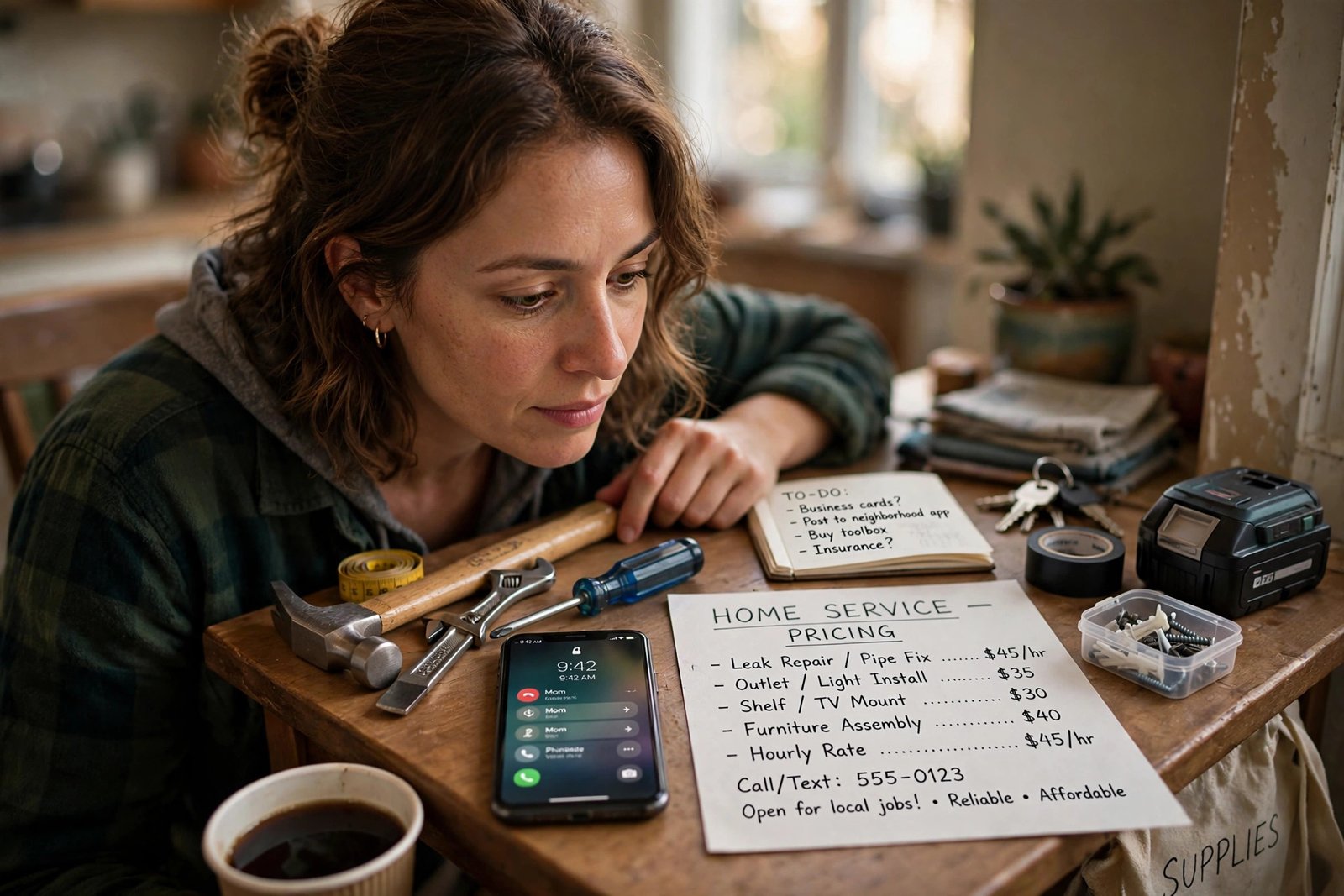
Money is your limit, so cost must be your filter. You do not need a long list of ideas. You need a clear answer to three questions: what does each idea cost before the first sale, what does it cost every month after that, and how long until it pays? Many idea lists hide the second and third answers. They call an idea free because you already own a laptop or a car, then ignore fuel, fees, wear, and subscriptions. This guide does the opposite. It organises side hustles by cost tier, shows running costs and fees beside startup costs, and gives an honest time to first income for each type. It is not a launch guide. For the full launch sequence, read How to Start a Side Hustle in 2026. It is not a choosing framework. For scoring ideas against your time and energy, read How to Choose the Right Side Hustle in 2026. A side hustle is work you run yourself, not employment by someone else. If you want a job with set pay and hours instead, read How to Find Legitimate Online Jobs first.
In this guide
- How to read the cost tiers
- Zero cost tier: start with what you already own
- Under 50 tier: small tools and supplies
- Under 100 tier: a simple setup that can grow
- Hidden costs most lists ignore
- What to buy first and what to delay
- What it costs and what to expect
- Common mistakes
- Risks and scams to watch for
- Frequently asked questions
How to read the cost tiers
Every idea in this guide is sorted by cash you must spend before the first sale. Zero cost means no purchase before the first dollar, using skills, items, or tools you already own. Under 50 means a small purchase, such as basic supplies or a low cost tool, before you can sell properly. Under 100 means a modest setup, such as a starter kit of supplies or a basic listing setup, that still stays within a tight budget. The tables also show monthly running costs, because a cheap start can still carry a monthly fee, a platform cut, or travel costs that eat your profit. Time to first income is given as a range, not a promise, because demand, skill, and hours vary. All money figures are planning ranges in dollars or pounds, depending on your country. Check current platform fees on the platform's own fee page before you rely on them, because fees change. Tax rules differ by country.

Zero cost tier: start with what you already own
| Idea | Startup cash | Monthly running cost | Time to first income | Main catch |
|---|---|---|---|---|
| Tutoring a subject you know | 0 | 0, plus any platform fee if you use one | Days to 2 weeks | Needs a way to reach students and prove skill |
| Pet sitting or house sitting for people you know | 0 | 0, plus travel | Days to 1 week | Trust and references matter more than marketing |
| Errands, organising, or decluttering help | 0 | Travel only | Days to 1 week | Physical time, and clients supply materials |
| Virtual assistance tasks | 0 | 0, plus any platform fee | 1 to 2 weeks | Needs proposals and a simple portfolio of samples |
| Proofreading or resume help | 0 | 0 | 1 to 2 weeks | Needs samples to win the first client |
| Selling items you already own | 0 | Listing or selling fees only | Same day to a few days | Stock runs out, so it is not a lasting business alone |
Under 50 tier: small tools and supplies
| Idea | Startup cash | Monthly running cost | Time to first income | Main catch |
|---|---|---|---|---|
| Cleaning or home help | 20 to 50 for basic supplies | Top up supplies as you use them | Days to 2 weeks | Travel time and physical effort |
| Short video editing for small businesses | 0 to 50 for a low cost editing app or storage | App subscription only if you keep it | 1 to 3 weeks | Needs sample videos and steady clients |
| Garden help or basic outdoor tasks | 30 to 50 for hand tools | Tool replacement over time | Days to 2 weeks | Seasonal demand and weather |
| Reselling second hand finds | 20 to 50 for first stock and packaging | Listing fees and postage | 1 to 3 weeks | Stock may not sell, so buy small first |
Under 100 tier: a simple setup that can grow
| Idea | Startup cash | Monthly running cost | Time to first income | Main catch |
|---|---|---|---|---|
| Freelance service with a simple portfolio site | 50 to 100 for domain and hosting for a year | Hosting renewal, usually yearly | 2 to 4 weeks | Portfolio work takes time before clients come |
| Bookkeeping support for small businesses | 0 to 100 for basic software or training | Software fee if you keep it | 2 to 6 weeks | Needs accuracy and client trust |
| Digital template or printable shop | 50 to 100 for tools and listing setup | Listing and transaction fees | 1 to 3 months | Slow first sales until listings and reviews build |
| Local food or baked goods, where allowed | 50 to 100 for ingredients and packaging | Ingredients per batch | 1 to 3 weeks | Food safety rules and permits may apply |
Hidden costs most lists ignore
Hidden costs are costs that appear after the first sale, and they decide whether a low cost hustle stays profitable. Platform fees are the first. Some marketplaces take a flat share, such as 20 percent, while others take a smaller share per contract. Payment processing takes a further cut. Delivery and rideshare work looks free if you already own a car, but fuel, wear, insurance, and time between jobs are real costs. A delivery rate quoted per active hour can look far better than the rate per hour including waiting and driving back. Subscriptions are another trap. A free trial for editing, design, or scheduling software becomes a monthly fee that continues whether you earn or not. Tax is the largest hidden cost for many beginners. Set aside a share of each payment for tax, and keep records from day one. Time is the final hidden cost. Messages, proposals, travel, packing, and customer support are unpaid hours that lower your true hourly rate.
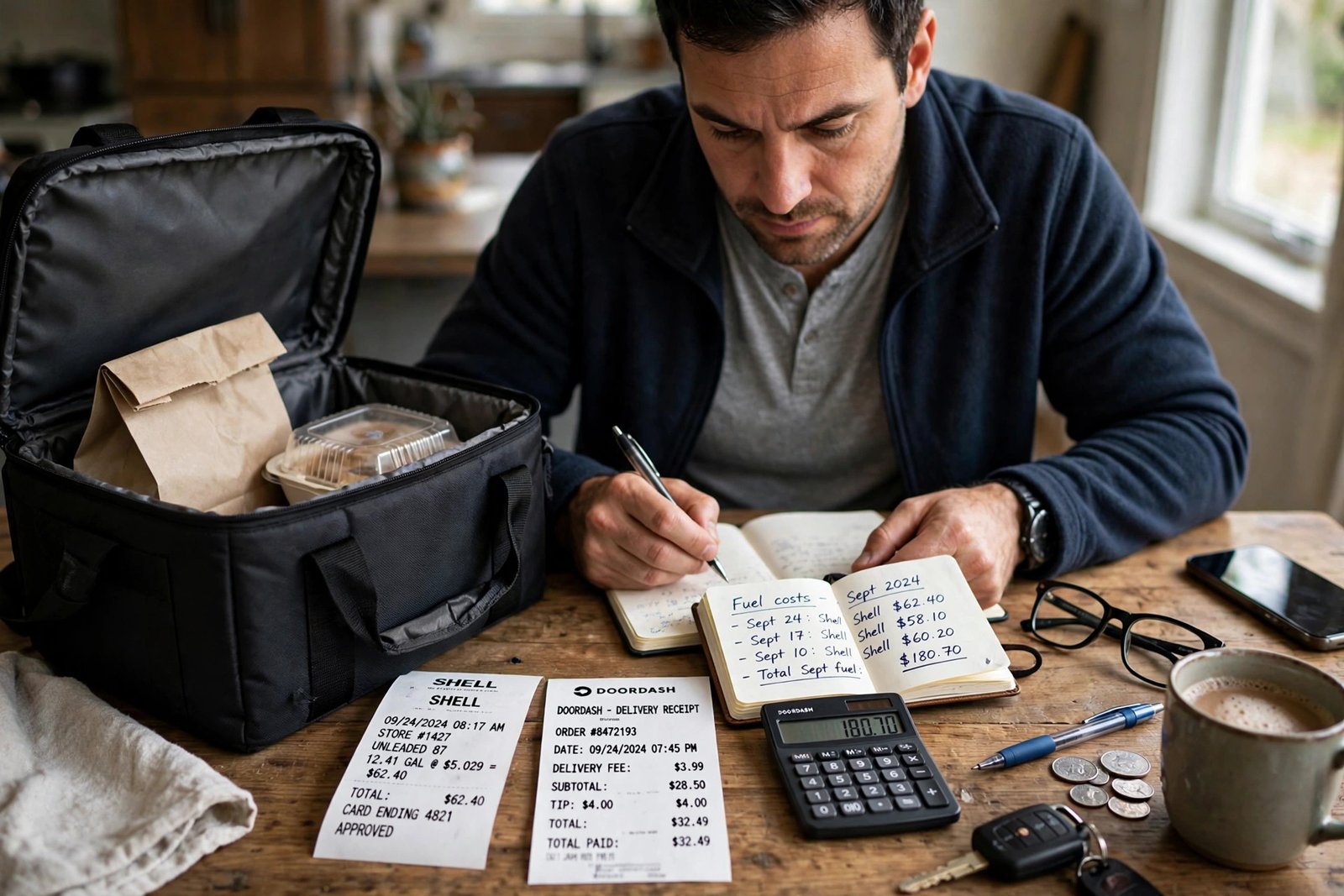
Example only: two ideas compared on fees
Example only: these numbers are not typical results. Suppose pet sitting pays 20 dollars per visit with 2 dollars of travel, leaving 18 dollars before tax. Suppose a resale pays 20 dollars with 4 dollars of fees, 5 dollars of postage, and 6 dollars of stock, leaving 5 dollars before tax. The same headline price hides a very different profit, which is why fees and postage must be subtracted before you judge an idea.
If your hustle is an online business with no money, read How to Start an Online Business With No Money. For services, How to Start Freelancing in 2026 adds platform detail. Check the official guidance for working for yourself and the tax authority's small business pages for tax rules.
What to buy first and what to delay
Buy first only what a paying customer needs you to have. That usually means basic supplies for the job, a way to get paid, and a way for buyers to contact you. Delay everything else until after the first sale. Delay a logo, a full website, business cards, premium software, bulk stock, and paid ads. Delay a course unless a licence or a safety rule requires it. After the first sale, reinvest a share of profit in the one thing that removes your biggest bottleneck. If clients cannot find you, that may be a simple portfolio page. If editing takes too long, that may be a tool that saves hours. If travel eats profit, that may be serving one area only. Reinvest from earnings, not from hope. A simple rule helps: do not spend more in a month than the hustle earned in the previous month, until it has paid for three months in a row.
What it costs and what to expect
A low cost start does not mean a low effort start. Expect the first month to bring a small number of sales, not a steady income. Services usually pay first, because one buyer pays for one job. Products and digital shops usually pay later, because listings need views and trust. Results vary with your skill, your local demand, your price, and the hours you can give. A realistic first month for a part time, low cost service is a handful of paid jobs. A realistic first month for a new template or product shop is often little or no income while listings build. Plan for fees on every sale, for quiet weeks, and for jobs that take longer than expected. Keep your main income until the hustle proves itself over months. If you need help picking between low cost ideas, use the scoring method in How to Choose the Right Side Hustle in 2026. If you are ready to launch, follow How to Start a Side Hustle in 2026.
Example only: comparing two low cost ideas honestly
Example only: these numbers are not typical results. They show how hidden costs change the answer. Suppose Idea A is pet sitting at 20 dollars per visit, with 2 dollars of travel per visit and no platform fee. For 10 visits, revenue is 200 dollars, travel is 20 dollars, leaving 180 dollars before tax. Suppose Idea B is reselling items at 20 dollars per sale, with a platform and payment fee of 4 dollars per sale, postage of 5 dollars, and stock cost of 6 dollars. For 10 sales, revenue is 200 dollars, costs are 150 dollars, leaving 50 dollars before tax. Both ideas show the same headline price, but pet sitting keeps far more of each sale. The lesson is not that reselling is bad. It is that headline price means little until fees, postage, stock, and travel are subtracted.
Common mistakes
- Calling an idea free while ignoring fuel, fees, wear, subscriptions, and tax.
- Buying stock, courses, or premium tools before any buyer has paid.
- Pricing below all costs, so each sale loses money once fees and postage are added.
- Keeping a subscription from a free trial that you no longer use.
Risks and scams to watch for
Low cost claims attract scams. Be wary of any opportunity that asks you to pay to start work, buy a starter kit, pay for training as a condition of a job, or deposit a cheque and send money back. Be wary of guaranteed income, pressure to recruit others, and jobs that ask for bank details before any agreement. Real platforms explain their fees in public, and real clients pay you for work. If a task asks for an upfront deposit from you, stop and check it. For the full warning signs, read How to Spot Online Job Scams. Keep records of every payment, fee, and message. If you lose money to a scam, report it to your local consumer protection body or police reporting service, and keep all evidence.
Frequently asked questions
Can I start a side hustle with no money?
Yes, if you sell a skill you already have, a local service, or items you already own. Tutoring, pet sitting, errands, virtual tasks, and proofreading can all start at zero cash cost.
What is the cheapest side hustle to start?
The cheapest starts are services that need no stock and no special tools, such as tutoring, pet sitting, organising help, and virtual assistance. They cost time and travel, not cash.
What hidden costs do low cost side hustles have?
The main hidden costs are platform and payment fees, travel and vehicle wear, subscriptions that continue after a free trial, tax set aside, and unpaid hours for messages, travel, and admin.
How fast can a low cost side hustle pay?
Services and local work can pay within days to 2 weeks, because one buyer pays for one job. Freelance services often take 1 to 4 weeks to win clients. Product and digital shops often take 1 to 3 months for steady sales.
Conclusion
A low cost side hustle is judged by three numbers, not one: cash before the first sale, monthly running costs and fees, and time to first income. Start in the zero cost tier when you can, move to under 50 or under 100 only when a purchase unlocks a real sale, and check hidden costs before you trust any headline price. Your next step is to pick one idea from the tier that fits your budget, run the hidden cost check on it today, and offer it to three real buyers this week. When you are ready to launch, read How to Start a Side Hustle in 2026. Browse the full Side Hustles category page for the rest of the series.