How to Earn with Food Delivery Affiliate Programs in 2026
Food delivery affiliate programs pay you when a reader orders a meal kit, a grocery delivery, or a restaurant meal through your tracked link. Many beginners chase the highest bounty and then discover that the offer does not serve their readers' towns. This guide shows you how to match one food audience to the right programme type, compare bounties and cookies fairly, and publish honest cooking content that converts.
In this guide
- What food delivery affiliate programmes are and who they suit
- Step 1: Choose one food audience and one weekly problem
- Step 2: Compare meal kits, grocery delivery, and restaurant apps
- Step 3: Apply and check areas, codes, and payout rules
- Step 4: Publish cooking guides and honest box reviews
- Step 5: Track first orders, repeat orders, and cancellations
- What it costs and what to expect
- Common mistakes
- Risks and scams to watch for
- Frequently asked questions
What food delivery affiliate programmes are and who they suit
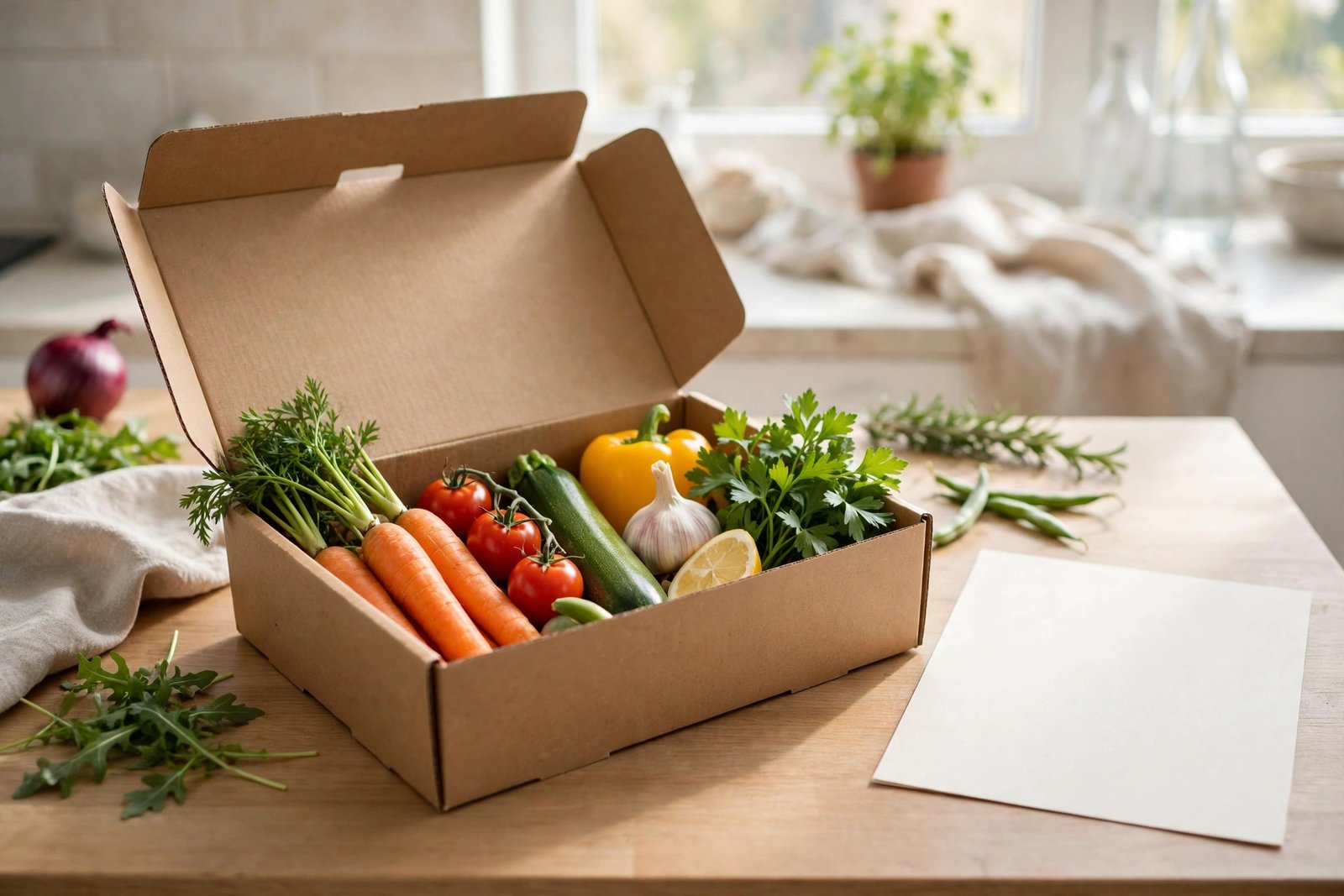
A food delivery affiliate programme pays you for a qualifying order or signup that starts from your link. The tracking cookie remembers your referral for a set number of days. Many food programmes pay a flat bounty, which is a fixed fee per new customer, rather than a percentage of the basket.
Food programmes suit you if you publish recipes, meal plans, budget food guides, or busy family content. They suit you less if your readers live outside the delivery areas. A strong bounty earns nothing when the service does not deliver to the reader's address.
Food programmes fall into three groups. Meal kit brands deliver ingredients and recipes on a subscription. Grocery delivery services deliver supermarket orders, often through an app. Restaurant delivery apps deliver cooked meals from local restaurants. Each group pays differently and needs different content.
| Programme group | How it usually pays | Best first content | Main watch point |
|---|---|---|---|
| Meal kits | Flat bounty per new subscriber | Unboxing and cooking reviews | First box only on many programmes |
| Grocery delivery | Flat fee per new customer or percentage | Recipe ingredient lists | Short cookies on some programmes |
| Restaurant delivery | Small fee per first order | Local guides and family meal ideas | Low fees need high volume |
If affiliate marketing is new to you, read how to start affiliate marketing first. It explains tracking and disclosure in the right order.
Step 1: Choose one food audience and one weekly problem
Pick one audience, such as busy parents, students in shared homes, or home cooks who want to waste less food. Then pick one weekly problem, such as planning five weeknight dinners or feeding a family on a set budget.
Cook the food yourself before you review it. Note preparation time, portion size, taste, and packaging waste. Readers trust timing claims only when you timed the cooking yourself.
Check delivery areas early. List the towns and countries each service covers and match them to your audience. A guide written for readers in one country earns nothing from a service that only delivers in another country.
Step 2: Compare meal kits, grocery delivery, and restaurant apps
Compare programmes on bounty or percentage, cookie length, payout threshold, and cancellation rules. The payout threshold is the minimum balance you must reach before payment. In food, also check whether commission pays on the first order only or on repeat orders too.
As of November 2026, HelloFresh's official content publisher page says publishers earn for every new customer they drive and that commission details are shared after acceptance into the programme. The public page does not publish a single bounty or cookie length, so you must read the terms in your publisher account before you forecast earnings. You can read the current publisher route on HelloFresh's official content publishers page.
List articles report meal kit bounties from about 10 US dollars to 35 US dollars per new subscriber, with cookies from about 7 days to 30 days. Grocery and restaurant programmes often report smaller fees per first order. Treat every figure as a reported range until you confirm it in your own account, because offers differ by country and by network.
| Term to check | Food specific question | What to record |
|---|---|---|
| Payment model | Bounty, percentage, or both? | Amount, product limits, date checked |
| Cookie | How many days after the click? | Window length and last click rule |
| First or repeat | Does a second box earn again? | Repeat rules and subscription limits |
| Cancellation | What happens if the reader cancels fast? | Validation period and reversal rules |
| Delivery area | Which towns and countries qualify? | Area list matched to your audience |
Shortlist one meal kit and one grocery or restaurant option for the same audience. Judge approval difficulty and payout rules carefully before you apply to any programme.
Worked example
Example only: these numbers are not typical results.
Imagine your weeknight dinner guide gets 3,000 visits in a month. Of those visitors, 300 click a meal kit link, which is a 10 percent click rate. Of those 300 clicks, 15 readers start a subscription, which is a 5 percent conversion rate. At a flat bounty of 20 US dollars per new subscriber, you earn 15 times 20, which is 300 US dollars before cancellations.
Now imagine 5 of those subscribers cancel before the validation period ends and the programme reverses those bounties. You keep 10 times 20, which is 200 US dollars. If the same guide instead promoted a grocery service that pays 10 US dollars per new customer and 20 readers convert, you earn 20 times 10, which is 200 US dollars with no subscription cancellation risk. Recalculate with your own click, conversion, and cancellation rates before you choose.
Step 3: Apply and check areas, codes, and payout rules
Apply with the blog, channel, or newsletter where you will place the links. Food brands review your content for fit and for honest cooking claims. A small food blog with real cooking photos often passes more easily than a large general site.
Read the rules on discount codes and brand bidding before you post. Many food programmes forbid bidding on the brand name in paid ads. Some pay only when a buyer uses your personal code. Others exclude orders paid with gift cards or staff discounts.
Disclose every affiliate link clearly. The Federal Trade Commission says you must disclose a material connection, which includes affiliate commission, in a way that is hard to miss. Read the plain language rules in the FTC guide on disclosures for social media influencers and place your disclosure before the first link.
Step 4: Publish cooking guides and honest box reviews
Build each post around one meal problem. Show the box contents, the cooking steps, the final plate, and the true preparation time. State the portion size and whether the meal fed your household as planned.
Include downsides in every review. Note high prices after the first box discount, limited vegetarian choices, packaging waste, or delivery days that do not suit your area. Readers trust reviews that warn them about the full price after the trial.
Link your guides together. If you run a food blog, read how to start a food blog and earn money for topic planning. If you prefer video, read how to start a food YouTube channel and earn money. If you want delivery work itself rather than affiliate income, rider work is a separate route with different costs and risks.
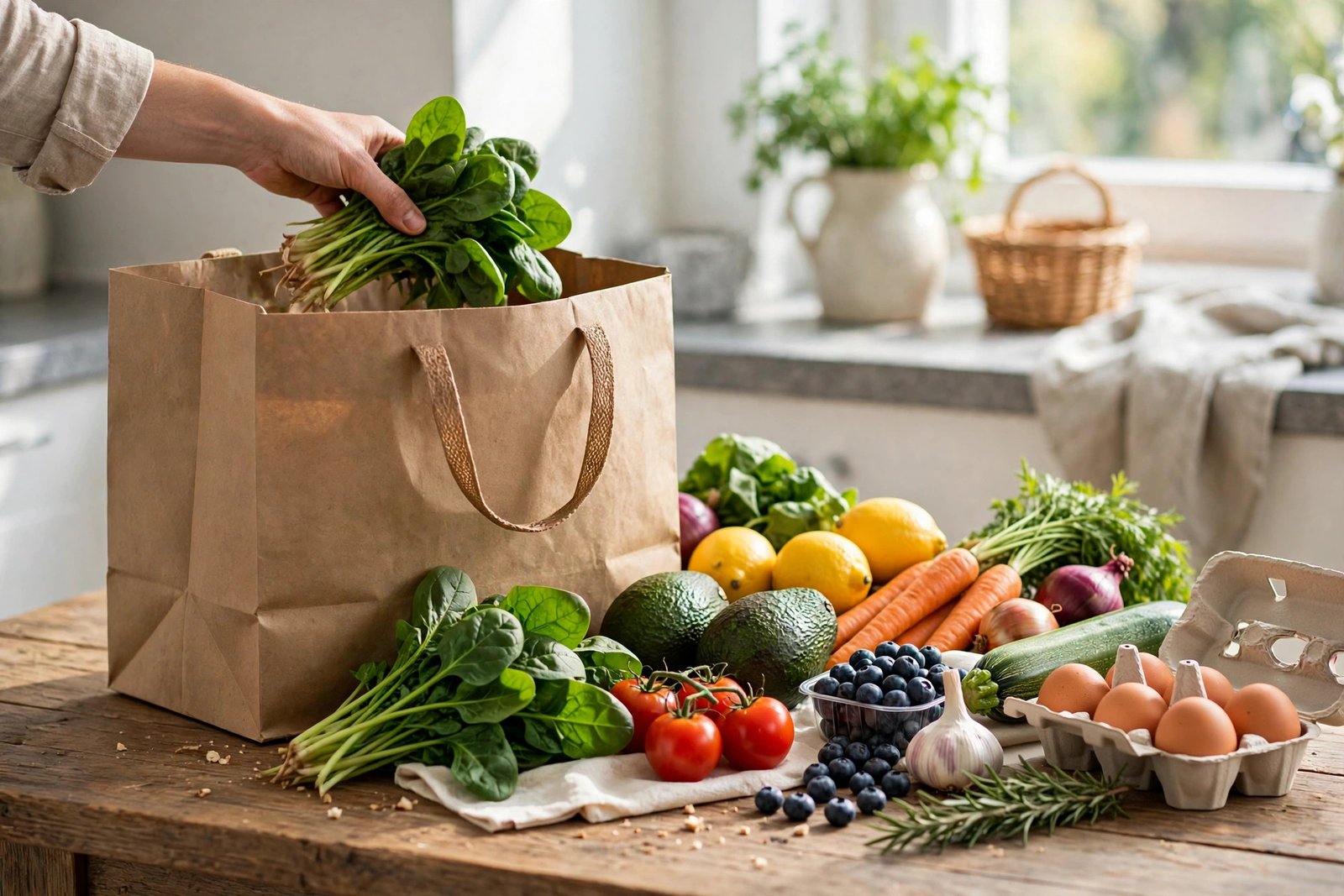
Update prices and offers often. First box discounts change frequently, and menus change by week. Add the date you last checked each offer and remove expired codes.
Step 5: Track first orders, repeat orders, and cancellations
Check your dashboard every week. Record clicks, first orders, commission, and reversals by post. A reversal happens when a reader cancels or returns an order and the programme takes the commission back.
Watch the gap between clicks and orders. Many clicks with few orders often mean the delivery area does not match your readers or the full price is too high. Few clicks with steady orders often mean the guide deserves more internal links.
Keep a simple programme record. Note the bounty, cookie, validation period, and the date you checked the terms. A short weekly check of clicks, orders, and reversals keeps your programme record accurate.
What it costs and what to expect
Joining food programmes is usually free. Your costs are trial boxes, ingredients for recipe testing, and your time. Meal kit trials often discount the first box, but later boxes cost full price. Set a test budget and cancel trials you do not plan to keep, following each service's cancellation steps.
Expect a slow start. Food content builds traffic over months, and readers compare several services before they subscribe. Your first orders often come from followers who already trust your cooking. Results vary with your audience location, household size, prices, and how often readers reorder.
Payment timing varies. Some networks validate orders for several weeks to allow for cancellations. Read the validation period before you spend pending commission.
| Cost or delay | Why it happens | How to plan |
|---|---|---|
| Trial boxes | You must cook before you review | Test one service at a time |
| Full price after trial | Discounts usually cover the first box only | State the full price in every review |
| Cancellations | Readers cancel before validation ends | Track reversal rates by post |
| Area mismatch | Services deliver to limited areas | State areas clearly in each guide |
Common mistakes
Many beginners promote a meal kit that does not deliver to their readers' country. Check delivery areas before you publish and state them in the guide.
Some creators quote the first box discount as the normal price. Always state the full price after the trial so readers can judge value.
Other creators copy cooking times from a recipe card without timing the meal. Time the cooking yourself and report the true time, including washing up.
A common error is joining five food programmes at once. Start with one meal kit and one grocery or restaurant option for the same audience.
Many posts hide the disclosure after the recipe. Place the disclosure before the first affiliate link.
Risks and scams to watch for
Avoid programmes that charge a joining fee or promise guaranteed income. Legitimate programmes are free to join and pay after a qualifying order.
Check that each service lists full prices, delivery fees, cancellation steps, and allergen information. Never guess allergen or nutrition claims. Copy allergen facts only from the official product page and tell readers to check labels themselves.
Protect your accounts with unique passwords and two factor sign in. Never share payment details outside the network dashboard.
Frequently asked questions
How much do food delivery affiliate programmes pay?
Food programmes pay in different ways, so there is no single rate. Meal kits often pay a flat bounty per new subscriber, while grocery and restaurant programmes often pay a smaller fee per first order. Check the current bounty, cookie, and validation rules in your account as of November 2026 before you rely on any figure.
Do meal kit programmes pay on repeat boxes?
Many meal kit programmes pay on the first order only, but rules differ by brand and by network. Read the repeat order rules in your programme terms before you forecast income. Do not assume a subscription means recurring commission.
Can I promote food delivery programmes without a website?
Yes, many programmes accept social creators, video creators, and newsletters. You must disclose every affiliate link clearly on each post. Check the rules for your platform and for discount codes before you post.
Why did my food commission get reversed?
Commission usually reverses when a reader cancels quickly, uses an excluded code, or orders outside the delivery area. Check the validation period and the excluded order rules in your dashboard. Improve area guidance in your guides to reduce wasted clicks.
Should I start with meal kits or grocery delivery?
Start with the service your audience already wants. Meal kits suit readers who want recipes and portioned ingredients. Grocery delivery suits readers who cook from their own recipes. Many creators test one of each for the same audience and keep the better converter.
Conclusion
Earn with food delivery affiliate programmes by choosing one food audience, matching services to real delivery areas, cooking every product yourself, and stating full prices after trials. Your next step is to shortlist one meal kit and one grocery or restaurant programme today and read their full terms. Then read how to promote affiliate products, how to make your first affiliate sale, and our guide to how to earn with education affiliate programs if you also publish family content. Browse all guides on the Affiliate Marketing category page.
Earning results vary; nothing on this site is financial advice.