How to Start a Fashion YouTube Channel and Earn Money in 2026
Learning how to start a fashion YouTube channel can help you share outfit ideas, styling skills and honest clothing reviews on video. The main problem for beginners is cost and comparison. You may feel you need new clothes every week and a perfect room to film in. This guide shows you how to choose a clear style focus, film useful videos with clothes you own, disclose gifts and paid work, and earn money without hype.
This guide is about video. A fashion blog uses written posts and photos, while a fashion channel needs filming, sound, editing and a repeatable video format. If you prefer writing, a blog may suit you better. This guide stays on YouTube. For the general channel steps, read how to start a YouTube channel. For makeup and skincare video structure, read how to start a beauty YouTube channel and earn money.
In this guide
- What a fashion YouTube channel is
- Step 1: Choose a clear fashion focus
- Step 2: Set up a simple filming space
- Step 3: Plan videos you can afford to make
- Step 4: Make fashion videos viewers trust
- How fashion channels earn money
- Worked example: what a small fashion channel could earn
- What it costs and what to expect
- Common mistakes
- Risks and scams to watch for
- Frequently asked questions
What a fashion YouTube channel is
A fashion YouTube channel teaches viewers how to choose, style and care for clothes. Common formats include lookbooks, which means short videos that show several outfits, styling tutorials, thrift finds, capsule wardrobe guides, and honest reviews of fit and fabric. Viewers watch to get outfit ideas, avoid poor purchases, and learn how clothes look in motion.
Fashion on video is visual, but trust still matters most. Viewers need honest notes on fit, fabric, sizing and price. If a brand sends you clothes for free or pays you, you must say so. A channel that hides gifts or only praises every item will lose trust quickly.
Step 1: Choose a clear fashion focus
Do not try to cover all fashion. Pick one audience and one promise you can repeat. Examples include budget outfits, modest styling, work clothes, thrift and vintage finds, or one wardrobe styled many ways. Choose a focus that fits clothes you already own and can afford.
Write ten video titles before you film. Titles should name the viewer problem, such as Five Work Outfits From One Small Wardrobe. If you need to buy new clothes for every title, the focus is too costly. A good focus lets you restyle the same pieces in new ways.
| Focus choice | Example promise | Cost control |
|---|---|---|
| Budget styling | Full outfits under a set budget | Use owned and thrifted pieces |
| Capsule wardrobe | Many outfits from few items | Restyle the same core pieces |
| Work clothes | Comfortable outfits for office days | Film in one simple space |
| Thrift finds | Honest reviews of second hand buys | Buy slowly and show flaws |
| Seasonal lookbooks | Outfits for one season at a time | Plan one shoot for many videos |
Step 2: Set up a simple filming space
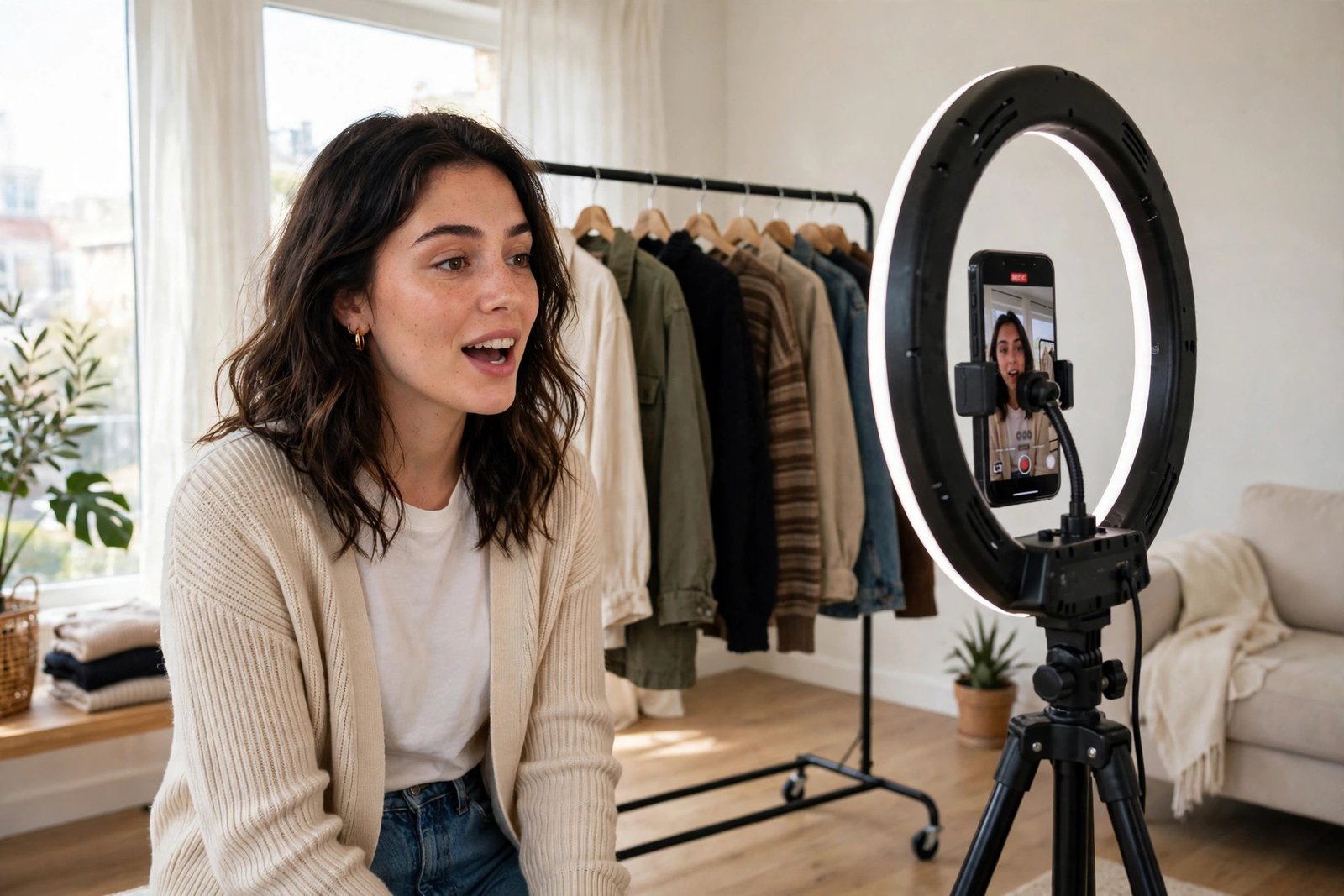
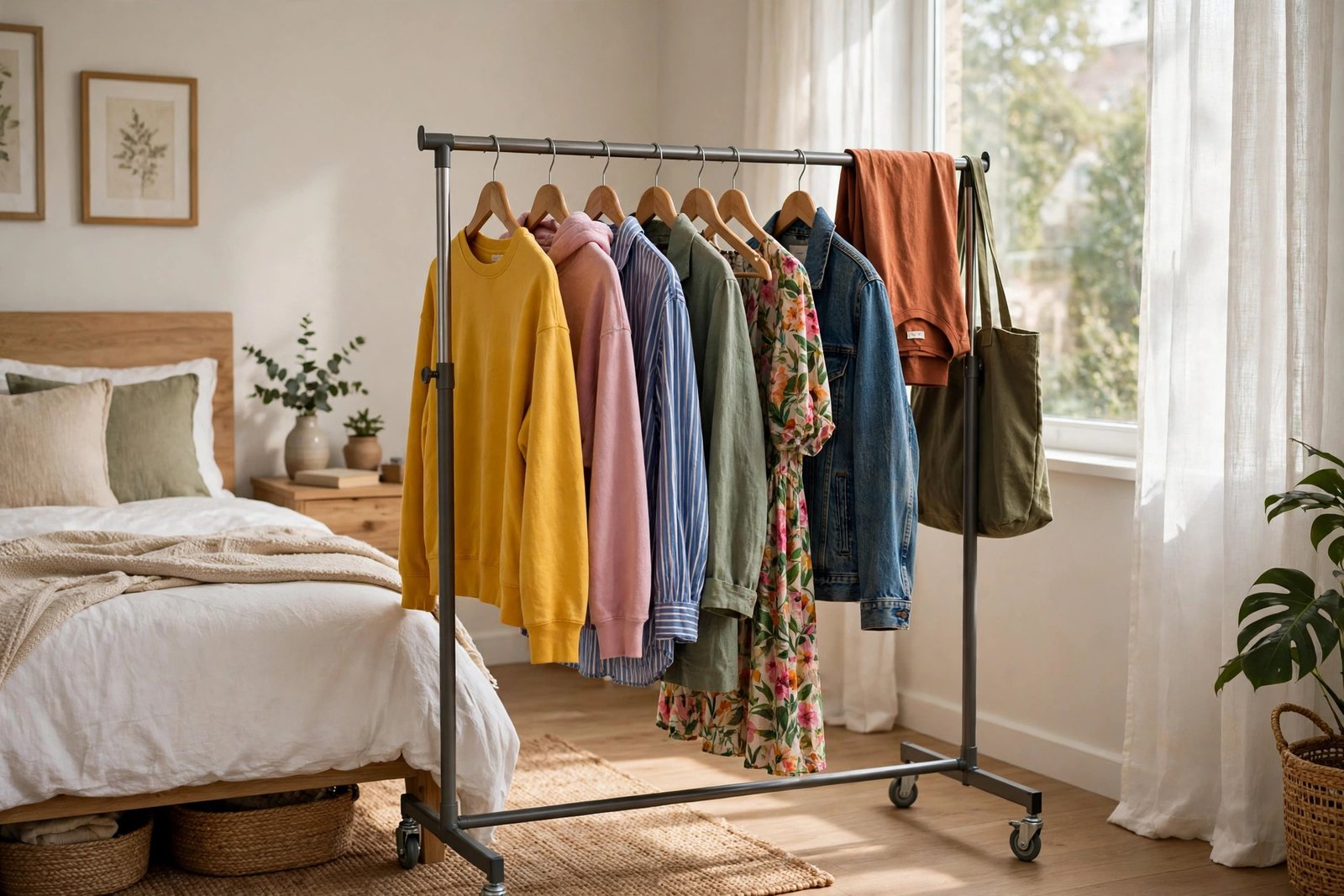
You need a clean background, steady light and clear sound. Film near a window in daylight or use one soft light. Use a phone on a tripod and keep the camera at a height that shows the full outfit. Test sound before you film. Room echo and street noise can make styling tips hard to follow.
Keep your space simple and repeatable. Use the same corner, the same rail position and the same camera settings for most videos. A repeatable setup saves time and helps viewers focus on the clothes. Add a full length mirror only if it helps you check fit. Do not buy a studio setup before you know you can publish each week.
Use a channel name and description that name your focus and audience. Create playlists for lookbooks, styling tips and reviews. Read how to design YouTube thumbnails for clear covers that show one outfit well.
Step 3: Plan videos you can afford to make
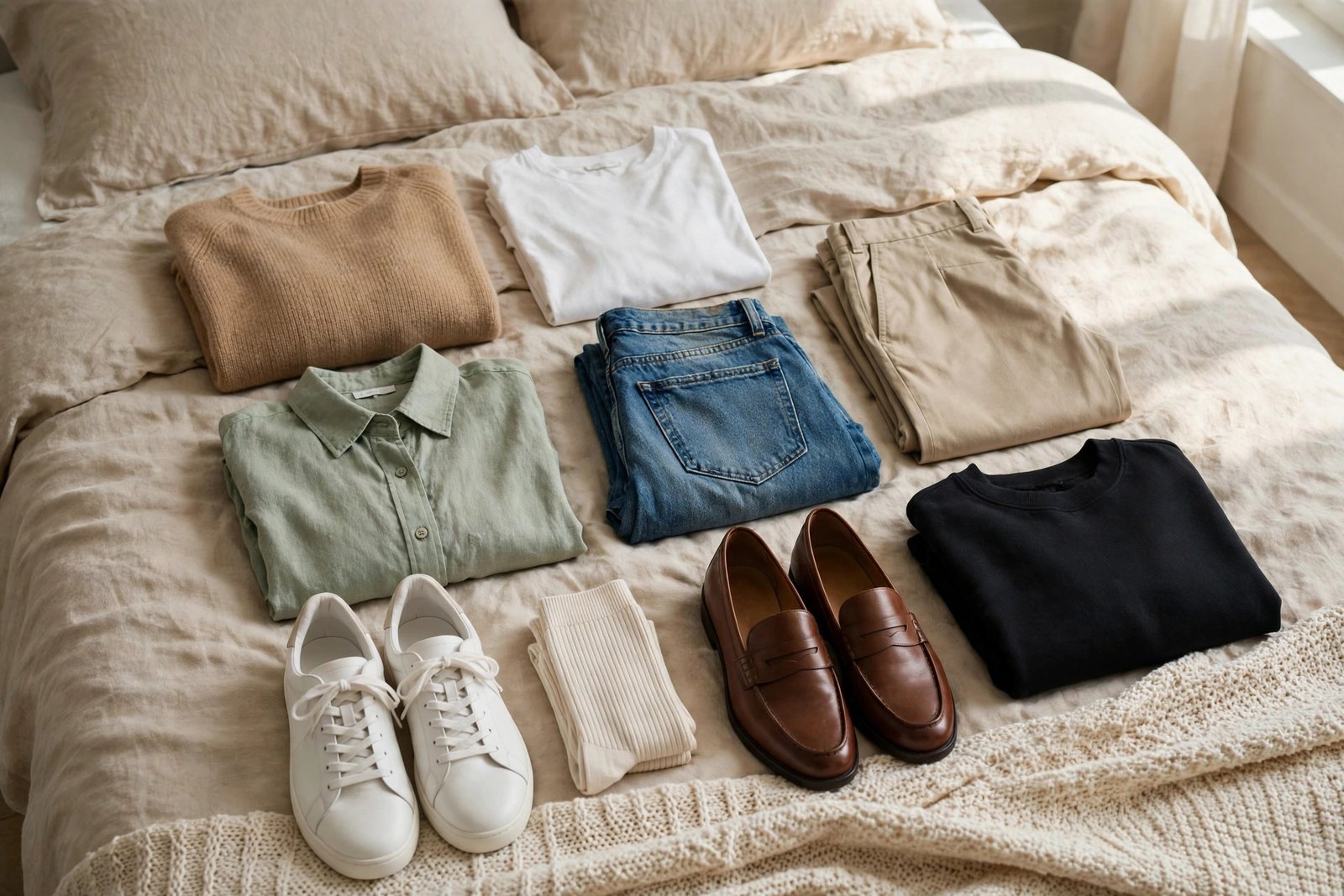
Plan one month of videos that use clothes you own. Batch film several outfits in one session to save setup time. Mix lookbooks with tutorials and reviews. A tutorial can teach one skill, such as styling one jacket five ways. A review can test fit, fabric and washing results over time.
Write a short outline for each video. Note the outfit order, the key styling points, and the honest limits, such as sizing that runs small. Film close views of fabric and seams when quality matters. Viewers buy with more confidence when they can see texture and fit clearly.
Use titles that help search. Name the item, the occasion and the viewer benefit. Learn the basics in YouTube SEO: how to rank videos. Add chapters for each outfit so viewers can jump to the look they need.
Step 4: Make fashion videos viewers trust
Start each video by naming the occasion and the budget or wardrobe limit. Show each outfit in full, then show close details. Say what works, what does not work, and who the item may not suit. If sizing differs from the label, say so.
Date every price. Say as of November 2026 for prices and sale dates, and tell viewers that prices and stock change. Put links and sources in the description in a clear order. If you use affiliate links, label them clearly near the links and in the video.
Respect your viewers and the people who appear in your videos. Ask permission before filming other people, and do not film in changing rooms or other private spaces. Keep comments kind and useful. Fashion advice should help viewers feel confident, not ashamed of their bodies or budgets.
How fashion channels earn money
Fashion channels earn from ads, affiliate links, sponsorships, memberships and their own products. Affiliate income often matters early because viewers can buy items they see, but it only works when recommendations are honest.
| Income source | When it can start | What you need |
|---|---|---|
| Affiliate links | From the first video | Items you have checked and clear labels |
| Sponsorships | When brands value your audience | Media kit and honest review rules |
| Ad revenue | After Partner Programme approval | 1,000 subscribers and watch time or Shorts views |
| Memberships | At the earlier fan funding level | Loyal viewers who want extra styling help |
| Own products | When viewers trust your taste | A guide, planner or curated shop |
As of November 2026, the official YouTube Partner Programme overview and eligibility page states that full ad revenue needs 1,000 subscribers with 4,000 qualified watch hours in the past 12 months, or 1,000 subscribers with 10 million qualified Shorts views in the past 90 days. You also need to follow the channel monetisation policies, live in a supported country, have no active strikes, use two-step verification, have advanced features access, and link an AdSense for YouTube account.
The expanded YouTube Partner Programme page describes earlier fan funding at 500 subscribers with 3 valid public uploads in the past 90 days, plus either 3,000 qualified watch hours in the past 12 months or 3 million qualified Shorts views in the past 90 days, in supported countries. That level does not include ad revenue sharing. Check the official pages in your account, because country rules differ.
Disclose gifts, payment and affiliate links with plain words in the video and the description. The FTC guidance for influencers explains that a material connection must be clear to viewers. Check the advertising rules where you live as well. Learn more in how to monetize a YouTube channel, how to get YouTube sponsorships and how to make money with YouTube affiliate marketing.
Worked example: what a small fashion channel could earn
Example only: these numbers are not typical results and they are not a promise. Use them to test your own figures.
Suppose a fashion channel gets 50,000 views in one month after Partner Programme approval. Suppose it earns 4 US dollars per 1,000 views from YouTube revenue. The YouTube income is 50,000 divided by 1,000, which is 50, multiplied by 4 dollars, which is 200 dollars.
Suppose viewers buy 60 items through affiliate links at an average commission of 3 dollars each. Affiliate income is 60 multiplied by 3 dollars, which is 180 dollars. Suppose one brand pays 200 dollars for one disclosed video mention. The total before fees and tax is 200 dollars plus 180 dollars plus 200 dollars, which is 580 dollars. Check again: 200 plus 180 is 380, and 380 plus 200 is 580. Real results vary, and clothing costs can quickly remove any profit if you buy for every video.
What it costs and what to expect
You can start with a phone, a tripod, daylight and clothes you own. Costs include a basic microphone, simple lighting, storage, and any clothes you buy for content. Set a strict content budget and track it. A channel that spends more on hauls than it earns is not a business.
Expect slow growth. Fashion is competitive, and viewers compare many creators. You may need six to twelve months to reach Partner Programme thresholds, and some channels never reach them. Publish one useful video each week, restyle what you own, and improve light, sound and fit notes before you spend more.
Common mistakes
- Buying new clothes for every video without a budget or a plan to reuse them.
- Hiding free gifts, payment or affiliate links instead of disclosing them.
- Praising every item without noting fit, fabric or sizing problems.
- Stating prices without a date, so viewers find different prices later.
- Filming in poor light, so colours and fabric look wrong on screen.
- Promising income or fast growth that you cannot guarantee.
Risks and scams to watch for
Be careful with brands that offer free clothes in exchange for a positive review only, or that ask you to hide payment. Be careful with fake brand emails that ask for bank details, passwords or a fee to join a programme. Check the sender and sign in through official sites only.
Never buy views or subscribers. Bought traffic can harm your channel and break platform rules. Keep records of gifts, payments, affiliate income and clothing costs. Check tax rules where you live with a local adviser, because gifted products and income can have tax effects that differ by country.
Frequently asked questions
Do I need new clothes for every fashion video?
No. Restyle clothes you own and film several outfits in one session. A capsule or budget focus helps you control costs. Viewers value honest styling more than constant hauls.
What equipment do I need to start a fashion channel?
A phone, a tripod, good daylight and a basic microphone are enough. Clear colour and steady full outfit shots matter most. Upgrade light and sound before you buy a costly camera.
How long does it take to earn money from a fashion channel?
Many channels earn nothing for six to twelve months. Ad revenue needs Partner Programme approval first. Affiliate income can start earlier, but it needs trust and honest fit notes.
Do I have to disclose free clothes from brands?
Yes. If a brand sends free items or pays you, say so clearly in the video and the description. Viewers need to know about any connection that could affect your review.
Can I start a fashion channel without showing my face?
Yes. You can film outfits on a hanger, use voiceover, or show styling steps without a face reveal. You still need clear fit notes and honest reviews. Read how to start a faceless YouTube channel for format ideas.
How do I choose fashion video topics?
Start with viewer problems, such as work outfits, seasonal styling and budget limits. Check that each topic fits your focus and your wardrobe. Write ten titles first and film the most useful ones.
Conclusion
Choose one style focus, film with clothes you own, disclose every gift and link, and date every price. Build income slowly from several sources and keep a strict content budget. Next, read how to start a beauty YouTube channel and earn money for close up product filming, how to grow a YouTube channel for steady growth, and how to make money on YouTube without ads for income before ad approval. Browse all guides in YouTube Earning.
Earning results vary; nothing on this site is financial advice.