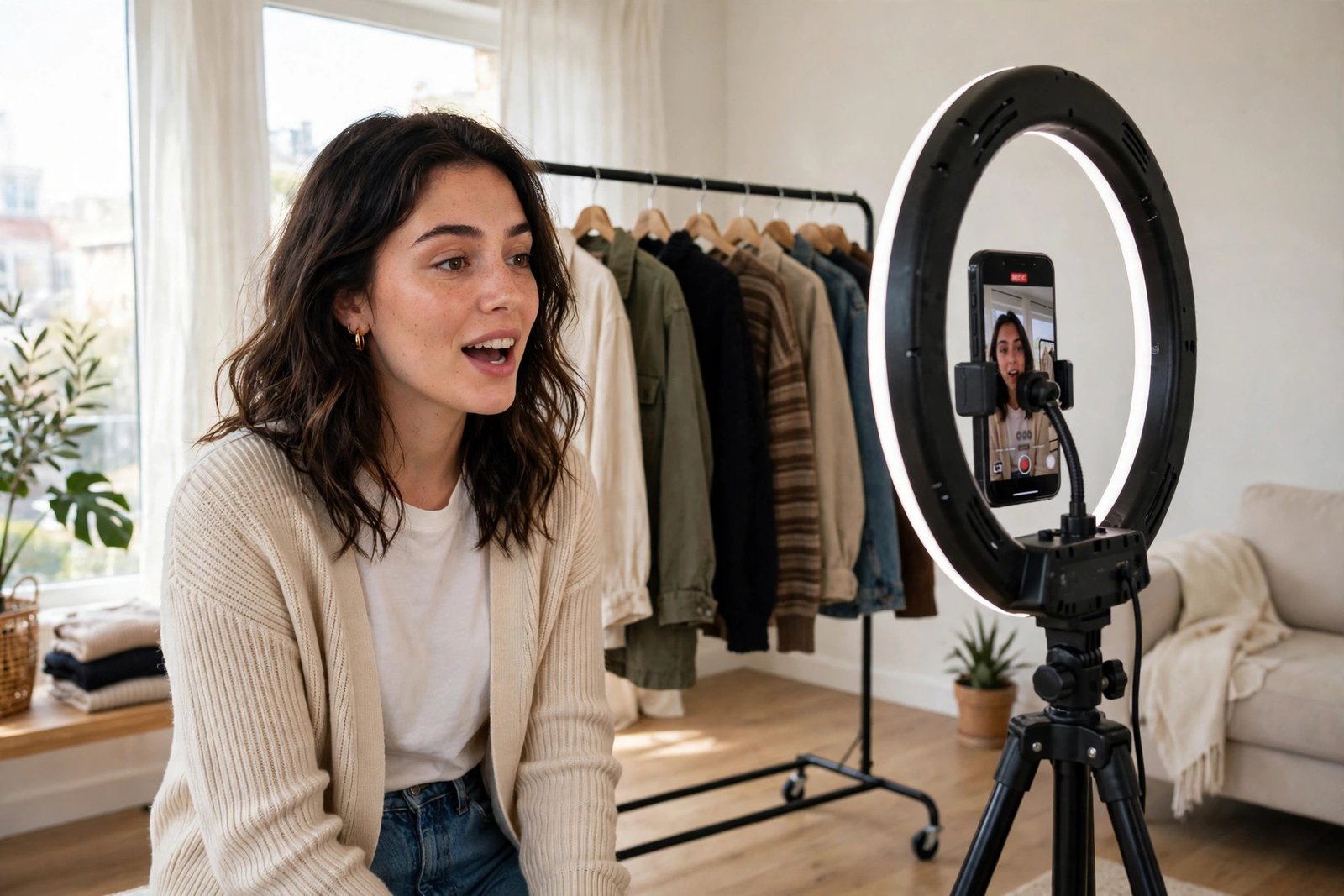
How to Start a Business YouTube Channel and Earn Money in 2026
Learning how to start a business YouTube channel can help you share what you know about running a small business, selling a service, or using business software. The hard part is not filming. The hard part is choosing one clear topic, making videos that solve a real problem, and waiting through a long period with little or no income. This guide shows you how to pick a narrow business topic, set up your channel, plan your first videos, and earn money in honest ways.
This guide is for beginners who want to teach business skills on video. A business channel covers entrepreneurship, which means starting and running a business. It is different from a personal finance channel, which covers budgets, saving and investing for one person. If your topic is personal money, read how to start a finance YouTube channel and earn money instead. For the general setup steps that apply to every channel, read how to start a YouTube channel. This guide covers only what is specific to business content.
In this guide
- What a business YouTube channel is
- Step 1: Choose a narrow business topic
- Step 2: Set up your channel for business viewers
- Step 3: Plan your first month of videos
- Step 4: Make business videos that hold attention
- How business channels earn money
- Worked example: what a small business channel could earn
- What it costs and what to expect
- Common mistakes
- Risks and scams to watch for
- Frequently asked questions
What a business YouTube channel is
A business YouTube channel teaches people how to start, run or grow a business. Common topics include finding clients, pricing a service, using accounting or marketing software, hiring help, and selling products online. Viewers watch because they want to save time, avoid a costly mistake, or learn a skill they can use at work.
Business content attracts advertisers who sell software, courses and services to owners and managers. That can mean higher ad rates than entertainment topics, but it does not mean fast income. You still need to meet the YouTube Partner Programme rules, build trust, and publish for many months. Many business channels earn more from sponsorships, affiliate links and their own products than from ads alone.
Step 1: Choose a narrow business topic
Do not start a channel about business in general. Business is too wide, and a general channel competes with large channels that already cover every topic. Pick one audience and one problem area that you can cover for at least 30 videos.
Good starting points include one type of business, such as cleaning services or online shops, one skill, such as pricing or hiring, or one tool, such as a bookkeeping app or a website builder. Choose a topic you understand from study or work experience. If you have never run a business, teach what you are learning and say so clearly. Do not claim experience you do not have.
Write down ten video titles before you film anything. If you cannot reach ten clear titles, the topic is too narrow or too vague. Keep the list. It becomes your first content plan and stops you from copying titles from other channels.
| Topic choice | Example focus | Who it helps |
|---|---|---|
| One type of business | Starting a cleaning service | New service owners |
| One business skill | Pricing freelance work | Freelancers and small firms |
| One business tool | Bookkeeping software basics | Owners who do their own accounts |
| One stage of growth | First year of a small shop | Beginners with no sales yet |
Step 2: Set up your channel for business viewers
Use a channel name that says what you teach. Add a short description that names your audience and the problems you solve. Add a business email address so brands and viewers can contact you. Use a clear profile photo or logo and a simple banner that a viewer can read on a phone.
Create playlists from the start. Group videos by topic, such as pricing, marketing and software guides. Playlists help viewers find the next video and help YouTube understand your channel. Add links to your website or newsletter if you have one. Do not add links you do not control.
Turn on two-step verification for your Google account. You need it for the Partner Programme, and it protects your channel. Read how to monetize a YouTube channel for the full application steps.

Step 3: Plan your first month of videos
Plan four to eight videos for the first month. Mix three types of video. First, make search videos that answer one clear question, such as how to price a service. Second, make tutorial videos that show each step on screen. Third, make review or comparison videos that help viewers choose a tool or service.
Keep each video to one main point. A video that tries to teach pricing, tax and marketing at once will lose viewers. Write a short script or a clear outline before you record. Business viewers value clear steps and honest limits more than fast editing.
Use titles that name the problem and the viewer. A title such as How to Price Your First Cleaning Jobs works better than a vague title about business success. Learn the basics in YouTube SEO: how to rank videos and how to design YouTube thumbnails.
Step 4: Make business videos that hold attention
Start each video by naming the problem in the first 20 seconds. Say who the video helps and what the viewer will learn. Then show the steps in order. Use screen recording for software, and use simple examples with round numbers that viewers can follow.
Date every figure you mention. Prices, fees and software features change often. Say as of November 2026 when you state a price or a rule, and tell viewers to check the current price before they buy. Show your sources in the description. A short source list builds trust and helps viewers check your work.
End each video with one clear next step. Suggest a related video, a free checklist, or a question for the comments. Do not promise that the viewer will make money. Explain that results vary with experience, location, demand, time, competition, expenses and platform fees.
How business channels earn money
Business channels usually earn from several sources. No single source is reliable at the start, so plan for more than one.
| Income source | When it can start | What you need |
|---|---|---|
| Affiliate links | From the first video | Products you have checked, clear disclosure |
| Sponsorships | When a brand values your audience | Media kit, honest review rules |
| Ad revenue | After Partner Programme approval | 1,000 subscribers and watch time or Shorts views |
| Own products or services | When viewers trust your teaching | A course, template or consulting offer |
| Channel memberships | At the earlier fan funding level | Loyal viewers who want extra help |
As of November 2026, the official YouTube Partner Programme overview and eligibility page states that full ad revenue needs 1,000 subscribers with 4,000 qualified watch hours in the past 12 months, or 1,000 subscribers with 10 million qualified Shorts views in the past 90 days. You also need to follow the channel monetisation policies, live in a country where the programme is available, have no active Community Guidelines strikes, use two-step verification, have access to advanced features, and link an AdSense for YouTube account.
The expanded YouTube Partner Programme page describes earlier access to fan funding and Shopping features. As of November 2026, eligible creators in supported countries can apply at 500 subscribers with 3 valid public uploads in the past 90 days, plus either 3,000 qualified watch hours in the past 12 months or 3 million qualified Shorts views in the past 90 days. Fan funding does not include ad revenue sharing. Always check the official pages in your own account, because eligibility depends on your country.
For sponsorships and affiliate links, disclose paid relationships clearly. The United States Federal Trade Commission expects endorsers to disclose a material connection, which means any payment, free product or commission that could affect trust. Read the FTC guidance for influencers and use plain words such as ad or sponsored in the video and in the description. Rules differ by country, so check the rules where you live. Learn the pitch process in how to get YouTube sponsorships and how to make money with YouTube affiliate marketing.

Worked example: what a small business channel could earn
Example only: these numbers are not typical results and they are not a promise. They show how the maths works so you can test your own figures.
Suppose a small business channel gets 40,000 views in one month after it joins the Partner Programme. Suppose the channel earns 8 US dollars per 1,000 views from YouTube revenue. The ad income is 40,000 divided by 1,000, which is 40, multiplied by 8 dollars, which is 320 dollars.
Suppose the same channel sells 20 copies of a 25 dollar template in that month. Template sales are 20 multiplied by 25 dollars, which is 500 dollars before payment fees and tax. Suppose one sponsor pays 300 dollars for one honest mention. The total before fees and tax is 320 dollars plus 500 dollars plus 300 dollars, which is 1,120 dollars. Check the maths again: 320 plus 500 is 820, and 820 plus 300 is 1,120. Your real figures will differ, and many channels earn nothing in the first year.
What it costs and what to expect
You can start with a phone you already own, free editing software, and a quiet room. A basic microphone and simple lighting help more than an expensive camera. Budget for storage, a tripod, and your time. Editing, scripting and thumbnail design often take several hours for each long video.
Expect a slow start. You may publish for six to twelve months before you reach the Partner Programme thresholds, and many channels never reach them. Business viewers are valuable, but they are also careful. Trust builds slowly, and one wrong price or one hidden sponsorship can harm your channel. Plan to publish one useful video each week and improve one skill at a time.
Common mistakes
- Choosing a topic that is too wide, so viewers cannot tell what the channel teaches.
- Copying titles and claims from large channels without checking the facts.
- Promising income or business success that you cannot guarantee.
- Hiding a sponsorship or an affiliate link instead of disclosing it clearly.
- Buying expensive gear before you know whether you can publish each week.
- Giving tax or legal advice as if it applies in every country.
Risks and scams to watch for
Be careful with offers that promise fast subscribers, guaranteed income, or a done for you channel. Never buy views or subscribers. Bought traffic can harm your channel and break platform rules. Be careful with brands that ask you to hide a paid relationship or to post a review you have not checked.
Watch for emails that pretend to be from YouTube or a sponsor and ask for your password or payment details. Check the sender address and sign in through the official site, not through a link in an email. Keep business money separate from personal money, keep records of income and costs, and check tax rules with a local adviser. This guide gives general information only and is not legal or tax advice.
Frequently asked questions
Do I need business experience to start a business YouTube channel?
No, but you must be honest about what you know. You can teach skills you are learning if you show your sources and your limits. Do not claim results you have not achieved.
How long does it take to earn money from a business channel?
Many channels earn nothing for the first six to twelve months. Ad revenue starts only after Partner Programme approval. Affiliate income and sponsorships can start earlier, but they need trust and a clear audience.
What equipment do I need to start?
A phone, a basic microphone, steady light and free editing software are enough to start. Clear sound matters more than a costly camera. Upgrade only when your content, not your gear, is the limit.
Can I earn money without showing my face?
Yes. You can use voiceover, screen recording and simple graphics. A faceless format still needs clear scripts and honest facts. Read how to start a faceless YouTube channel for the setup steps.
How do I choose business video topics?
Start with questions your audience asks in search and in comments. Check that each topic fits your narrow focus. Write ten titles first and film the clearest ones.
Should I sell a course or template on my channel?
Only when you have a useful product and viewers who trust your teaching. Start with free help and honest videos. A product cannot fix weak content, and refunds and complaints can harm trust.
Conclusion
Choose one narrow business topic, publish one useful video each week, date every figure, and disclose every paid relationship. Build income from more than one source, and expect a slow first year. Next, read how to start a finance YouTube channel and earn money to keep business and personal money topics separate, how to grow a YouTube channel for steady growth steps, and how to make money on YouTube without ads for income before ad approval. Browse all guides in YouTube Earning.
Earning results vary; nothing on this site is financial advice.