
How to Start a Reselling Side Hustle in 2026
Learning how to start a reselling side hustle is simple in theory: buy low, sell higher, and keep the difference after fees and postage. The hard part is knowing what an item is really worth before you buy it. Listed prices mean nothing, because a listed price shows what a seller hopes for. Only sold prices show what buyers actually pay.
This guide walks through the full process in six steps: pick one niche, find stock, price it from sold data, choose where to sell, write listings that sell, and ship well. It includes a worked pricing example with current official fees, a first week plan with a small budget, and honest notes on tax, returns, and unsold stock. It is written for beginners with 50 to 100 dollars to start.
In this guide
- Step 1: Pick one niche
- Step 2: Where to find stock
- Step 3: Price it right
- Step 4: Choose where to sell
- Step 5: Write listings that sell
- Step 6: Ship, track, and handle returns
- What it costs and what to expect
- What to do with unsold stock
- Common mistakes
- Tax basics
- Frequently asked questions
Step 1: Pick one niche
A niche is a small area you focus on, such as vintage denim jackets, used trainers, or board games. Picking one niche matters, because you learn its prices fast, you spot bargains fast, and buyers start to trust your listings. A general seller who lists random items learns slowly and competes with everyone.
Pick a niche you already know something about, and where buyers already exist. Good beginner niches include trainers, vintage clothes, books, toys, small electronics, and homeware. Avoid niches where fakes are common, such as luxury handbags, unless you can check authenticity well. Avoid large items at first, because storage and postage costs eat your profit.
Validate your niche in one week. Search sold listings for ten items in that niche, note the sold prices, and check how many sold in the last month. If most items sell within a few weeks at a price that leaves profit after fees, the niche is worth testing. If most items sit unsold for months, pick a different niche. For help choosing a focus, read our guide on how to choose the right side hustle and how to start a side hustle.
Step 2: Where to find stock
Good stock comes from places where sellers do not know the full value of what they have. Charity shops, car boot sales, garage sales, and estate sales are the classic sources. Clearance racks in shops can work too, especially after a season ends. Facebook Marketplace is a useful source, and our guide on how to sell on Facebook Marketplace explains how that platform works from the seller side.
Check each item before you buy it. Look for damage, missing parts, stains, and signs of wear. Test electronics where you can, and check that clothes have no smells or marks that photos will hide. Ask the seller about the item history if you can. A quick check takes two minutes and saves you from buying stock you cannot sell.
| Source | Best for | What to look for | Main risk |
|---|---|---|---|
| Charity shops | Clothes, books, homeware | Quality brands at low prices | Prices vary by shop and area |
| Car boot sales | Toys, electronics, vintage items | Sellers who want a quick sale | No returns if an item is faulty |
| Garage sales | Furniture, tools, kids items | Bundles sold cheap together | Large items need transport |
| Estate sales | Vintage and collectable items | Full sets and rare finds | Competition from other resellers |
| Clearance racks | New items at a discount | End of season stock | Small margins after fees |
| Facebook Marketplace | Local stock with no postage | Items near your home | Sellers may not reply fast |
Start with items you already own. Sell five items from your own home first, so you learn the listing and shipping process before you spend money on stock. Then use 50 to 100 dollars from those sales to buy your first stock. That way, you risk profit you already made, not money from your main budget.

Step 3: Price it right
Pricing is the skill that separates profitable resellers from busy ones. Always check sold listings, not listed listings, before you set a price. On eBay, use the sold items filter. On other platforms, search for the same item and look at listings that actually sold, not listings that have sat for months.
Use a simple profit formula: sale price minus item cost minus platform fee minus postage minus packaging equals profit. If the profit is less than a few dollars, the item is not worth your time. A useful rule for beginners is to aim for a profit that is at least double what you paid for the item, after fees. That rule is a guide, not a law, but it stops you from buying stock with tiny margins.
Example only: these numbers are not typical results. Imagine you buy a used jacket for 10 dollars and sell it on eBay for 40 dollars, with 5 dollars postage paid by the buyer. The eBay final value fee is 13.6 percent of the total sale, which is 13.6 percent of 45 dollars, or 6.12 dollars, plus a per order fee of 0.40 dollars, because the order is over 10 dollars. Your costs are 10 dollars for the jacket, 6.12 dollars in fees, 0.40 dollars in order fees, and 5 dollars for postage and packaging. Your total cost is 21.52 dollars. Your sale brings in 45 dollars, so your profit is 23.48 dollars. That is a good result for one item, but it is only an example, and many items earn far less.
Fees change, so check the official pages before you rely on a figure. eBay states its seller fees in its official seller fees page, which says the final value fee for most categories is 13.6 percent of the total sale up to 7,500 dollars, plus a per order fee. Etsy states its fees in its official fees and payments policy, which lists a 0.20 dollar listing fee per item and a 6.5 percent transaction fee on the price plus postage and gift wrapping. Use those official pages, not old guides, because fees change and old figures mislead beginners.
Step 4: Choose where to sell
Each platform suits a different niche, and each has different fees, buyers, and rules. Pick one platform to start, and learn it well before you add a second one. Crosslisting, which means listing the same item on two platforms at once, can help later, but it also doubles the work and risks a double sale.
| Platform | Seller fee | Best for | Shipping | Notes |
|---|---|---|---|---|
| eBay | 13.6 percent for most categories, plus a per order fee | Almost any item, especially collectables | Seller arranges postage | First 250 listings a month are free, as of November 2026 |
| Vinted | No seller fee, buyer pays postage | Clothes and accessories | Buyer pays postage | Best for low price clothing in the UK and Europe |
| Facebook Marketplace | Local pickup is usually free, shipped orders carry a fee in the US | Furniture and local items | Local pickup or shipped | Check the current fee in the Facebook app before listing |
| Depop | About 10 percent | Vintage and streetwear | Seller arranges postage | Strong for fashion, weak for general items |
| Etsy | 6.5 percent plus 0.20 dollars per listing, plus processing | Handmade and vintage items | Seller arranges postage | Good for vintage, strict on handmade rules |
Read the full Etsy review on our site, Etsy seller review, before you list vintage items there, and read how to choose an earning platform if you are torn between two platforms. For a general online business start, see how to start an online business with no money.
Step 5: Write listings that sell
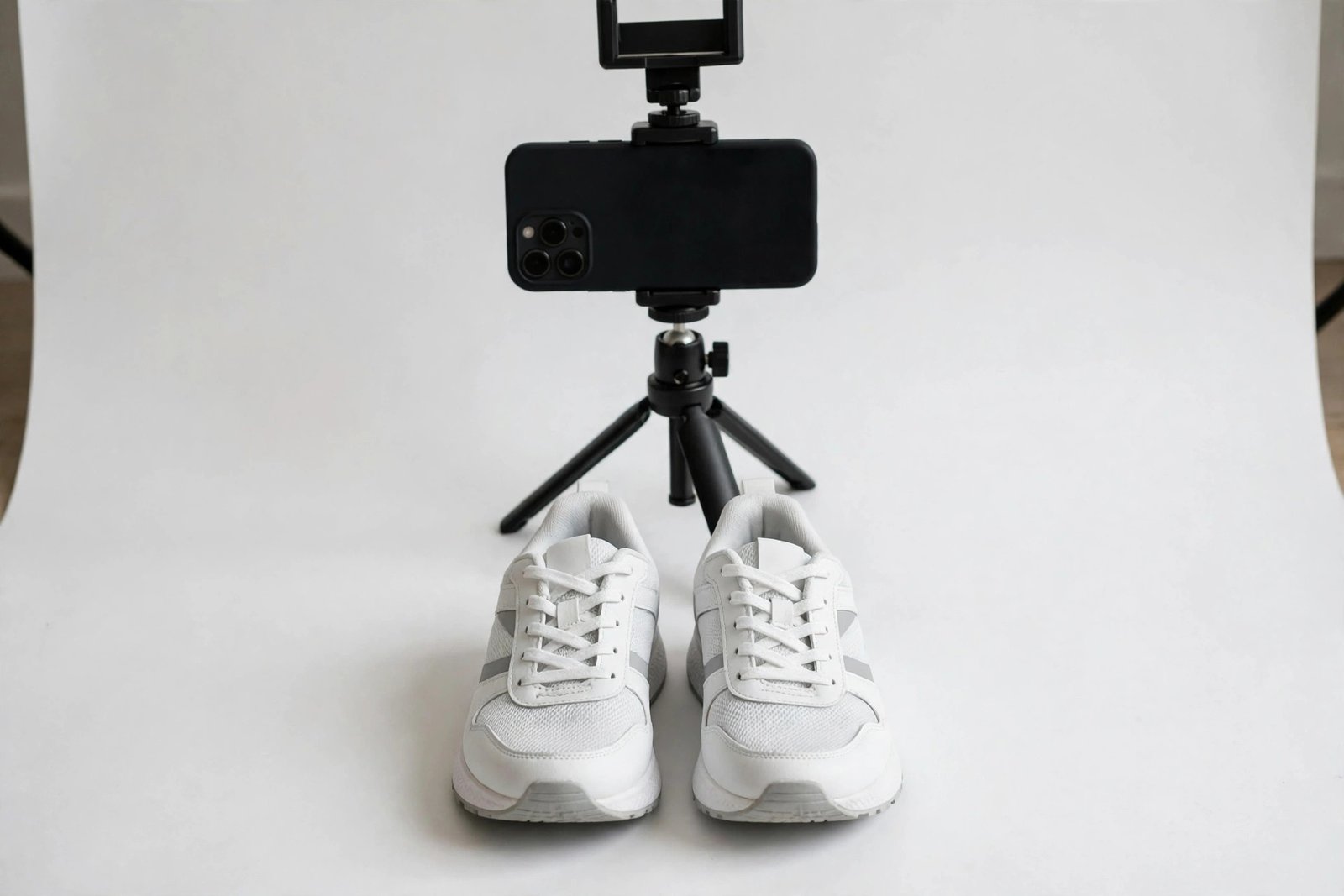
A good listing answers the buyer questions before they ask them. Start with clear photos, then a clear title, then an honest description. Take at least five photos in natural light: front, back, close up of the label or brand, any flaws, and the item next to a ruler or a common object for scale. Clean the item first, and use a plain background so the item stands out.
Write titles with the words buyers search for: brand, item type, size, colour, and condition. A good title is "Nike Air Max trainers, size UK 9, black, good used condition". A bad title is "Nice shoes, must see". In the description, give measurements, materials, condition, and any flaws. Honest condition notes reduce returns and build trust. Say what is included, such as the original box, and say what is not included. End with a clear postage and returns note.
Step 6: Ship, track, and handle returns
Ship fast, pack well, and use tracked postage for items over a low value. A buyer who waits a week for a parcel will leave a poor review, even if the item is good. Pack fragile items with padding, seal boxes well, and add a short thank you note if you like. Keep a record of every tracking number, because a lost parcel without tracking is hard to resolve.
Returns happen, even with honest listings. Each platform has its own returns rules, so read them before you list. If a buyer reports a fault you missed, accept the return politely and learn from it. If a buyer changes their mind, follow the platform policy, not your own instinct. A calm, fast reply to a problem often saves a good review. Never argue in messages, and never ask a buyer to cancel a return outside the platform, because that can break platform rules.
What it costs and what to expect
A reselling side hustle can start with 50 to 100 dollars, and most of that goes to stock. You also need packaging, such as boxes, bags, and tape, and a small scale if you sell heavy items. A phone camera is enough for photos at first, and a plain sheet makes a good background.
| Cost item | Typical amount | Notes |
|---|---|---|
| First stock | 50 to 100 dollars | Buy five to ten items in your niche |
| Packaging | 10 to 20 dollars | Boxes, bags, tape, and labels |
| Postage scale | 10 to 20 dollars once | Helps you price postage correctly |
| Platform fees | 0 to 14 percent per sale | Depends on the platform you choose |
| Total to start | 70 to 140 dollars | Start small and restock from profit |
Example only: these numbers are not typical results. Imagine you spend 80 dollars on eight items at 10 dollars each, list all eight, and sell five in the first month at an average of 30 dollars each. Your sales total is 150 dollars. After platform fees of about 20 dollars and postage of about 25 dollars, your profit is about 25 dollars, plus three unsold items you still own. That is a realistic first month, and a slower start is normal while you learn pricing and photography. Results vary, and some months will be slower.
A first week checklist helps. Day one, pick your niche and check sold prices for ten items. Day two, sell five items from your own home. Day three, visit one charity shop and buy three to five items. Day four, photograph and list those items. Day five, share your listings in one relevant group. Day six, reply to buyers and pack any sales. Day seven, review what sold, what did not, and what you learned.
What to do with unsold stock
Unsold stock is normal, and every reseller has some. Set a repricing schedule before you start: drop the price by 10 percent after 14 days, and by another 10 percent after 30 days. If an item still does not sell after 60 days, bundle it with a related item, or donate it and free the space. Holding stock for months costs space and ties up money you could use for better stock.
Store stock in a tidy, labelled system from day one. Use clear boxes, label each box with the item type, and keep a simple spreadsheet with the item, the cost, the listing price, and the platform. A growing pile of unlabelled stock in a spare room is a common beginner problem, and it wastes hours when a sale finally comes.
Common mistakes
- Buying what you like instead of what sold data shows buyers want.
- Pricing from listed prices instead of sold prices.
- Ignoring postage weight, then losing profit on a heavy item.
- Buying too much stock before you have made your first sale.
- Taking poor photos in dim light, then wondering why listings do not sell.
- Hiding flaws in the description, which leads to returns and poor reviews.
- Holding unsold stock for months instead of repricing or donating it.
- Keeping no records, then guessing at tax time.
Risks and scams to watch for
Counterfeit goods are a real risk for resellers. Fake branded items can lead to a listing removal, a platform ban, or a legal problem. Learn the signs of fakes in your niche, buy from sources you trust, and do not buy a luxury item at a price that seems too good to be true. If you are unsure about an item, do not list it as genuine.
Watch for buyer scams too. A buyer who asks you to post outside the platform, pay by gift card, or accept an overpayment and refund the difference is almost certainly trying to scam you. Keep every sale inside the platform, check your own account for payment, and never post an item before the payment clears. The warning signs are the same as for other online selling scams: pressure to move off the platform, payment by gift card, and overpayment with a refund request.
Tax basics
Tax rules differ by country, and you should check the rules where you live. In the United States, all gig income must be reported, and a tax return must be filed if net earnings from self employment are 400 dollars or more. The IRS explains this in its guide on managing taxes for gig work. The 1099-NEC threshold for 2026 is 2,000 dollars, so do not rely on receiving a form as a reminder to report income.
In the United Kingdom, the trading allowance gives up to 1,000 pounds of gross trading income per tax year free of tax for 2026 to 2027. The GOV.UK page on tax free allowances on property and trading income explains the rule. The allowance rises to 3,000 pounds only from 6 April 2027. Keep every receipt for stock, postage, and packaging, because those costs reduce your taxable profit in many countries. A simple spreadsheet with the date, the item, the cost, the sale price, and the platform is enough.
Frequently asked questions
How do I start reselling with no experience?
Start with items you already own, check sold prices for similar items, and list five items on one platform. That teaches you photography, pricing, and shipping before you spend money on stock. Then use 50 to 100 dollars from early sales to buy your first stock in one niche.
How much money do I need to start reselling?
You can start reselling with 50 to 100 dollars for stock, plus 10 to 20 dollars for packaging. Start with items from your own home first, so you learn the process with no stock cost, then restock from profit. Avoid spending a large amount before you have made your first sale.
What is the best platform for reselling?
The best platform depends on your niche. eBay suits almost any item, Vinted suits clothes with no seller fee, and Facebook Marketplace suits furniture and local items. Start with one platform, learn its fees and buyers, and add a second platform only when the first one works well.
What sells best for resellers?
Trainers, vintage clothes, books, toys, small electronics, and collectables sell well for many beginners, but the best item depends on your niche and your local prices. Check sold listings in your niche before you buy, and only buy items where the sold price leaves a clear profit after fees and postage.
How do I know what an item is worth?
Check sold listings for the same item in the same condition, on the same platform, from the last few weeks. Use the average sold price, not the highest listed price, and subtract fees, postage, and your item cost to find your profit. If the profit is tiny, the item is not worth buying.
How do I find items to resell?
Find items in charity shops, car boot sales, garage sales, estate sales, clearance racks, and Facebook Marketplace. Look for quality brands in good condition at low prices, and check sold prices on your phone before you buy. Start with one source you know well, and visit it regularly.
Conclusion: pick a niche, list five items, and learn from the first sales
Starting a reselling side hustle in 2026 comes down to three habits: pick one niche, price from sold data, and keep honest records. Start with items you already own, list five items on one platform, and use a small budget of 50 to 100 dollars for your first stock. Then review what sold, what did not, and what you learned, before you buy more.
Your next step is to check sold prices for ten items in your niche today, then list your first five items this week. Read how to sell on Facebook Marketplace if you plan to sell locally, how to start a side hustle for the full starting plan, and side hustles with low startup costs for more low cost ideas. You can also browse all our guides in the side hustles category.
Earning results vary; nothing on this site is financial advice. Tax rules differ by country, so check your local tax authority or a qualified accountant before you rely on the general notes in this guide.