How to Make Money with a Mystery Shopping Side Hustle in 2026
Mystery shopping is real, but it pays pocket money, not a wage. You visit a shop, a restaurant, or a bank, act like a normal customer, and then write a report about the service. You get a small fee, and often a refund for what you bought. Scams use the same name to steal money, so you need to know the difference. This guide shows you how mystery shopping works, what it really pays, how to start, and how to avoid the scams.
In this guide
- What mystery shopping really is
- Is mystery shopping legit
- How it works, step by step
- Types of mystery shops
- How to start in your first week
- How much you can really make
- Route shopping: the one strategy that lifts pay
- What a good report looks like
- How to qualify for better paying shops
- Risks and scams to watch for
- How to check a provider before you join
- What it costs and what to expect
- Common mistakes
- Who mystery shopping suits, and who it does not suit
- Frequently asked questions
What mystery shopping really is
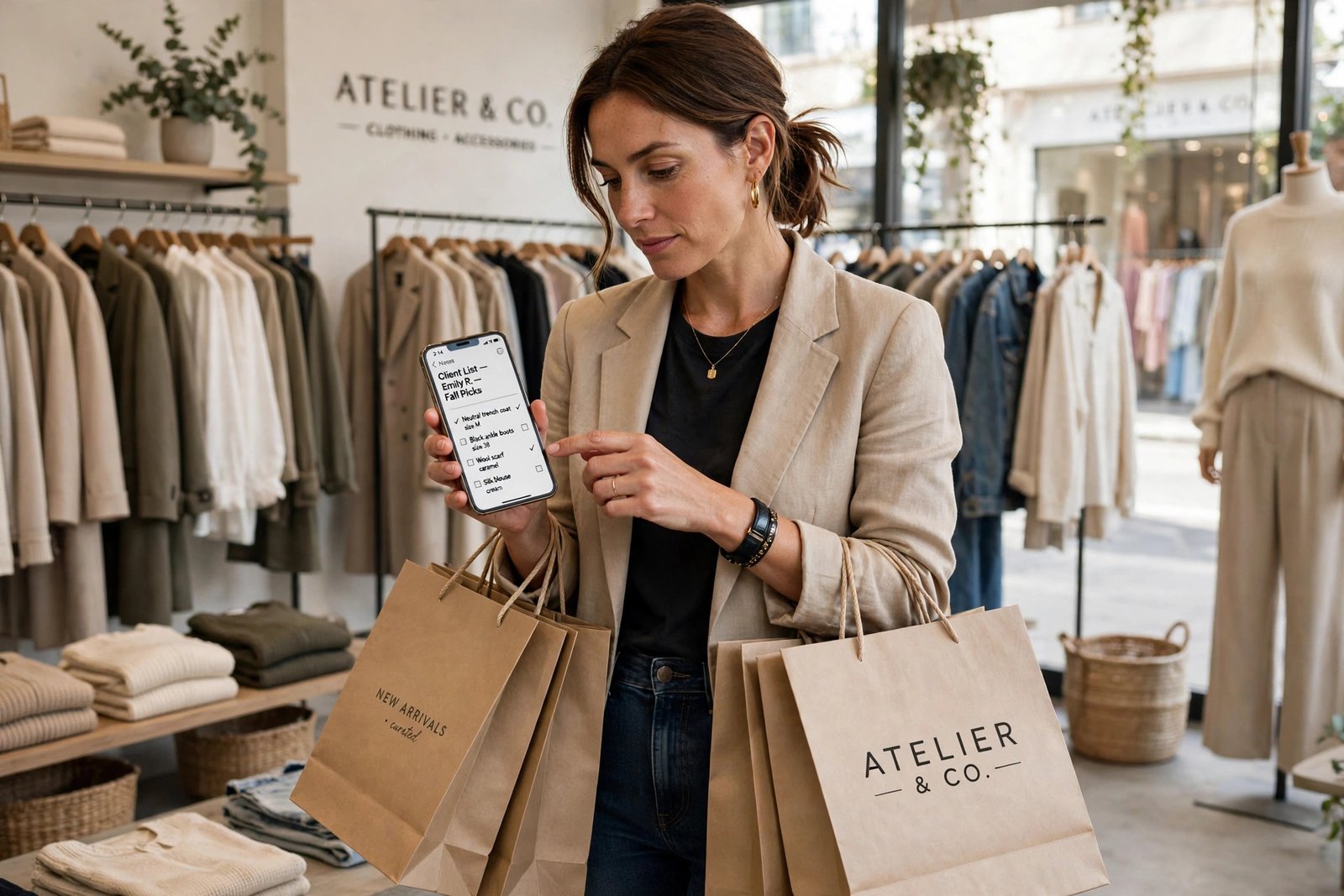
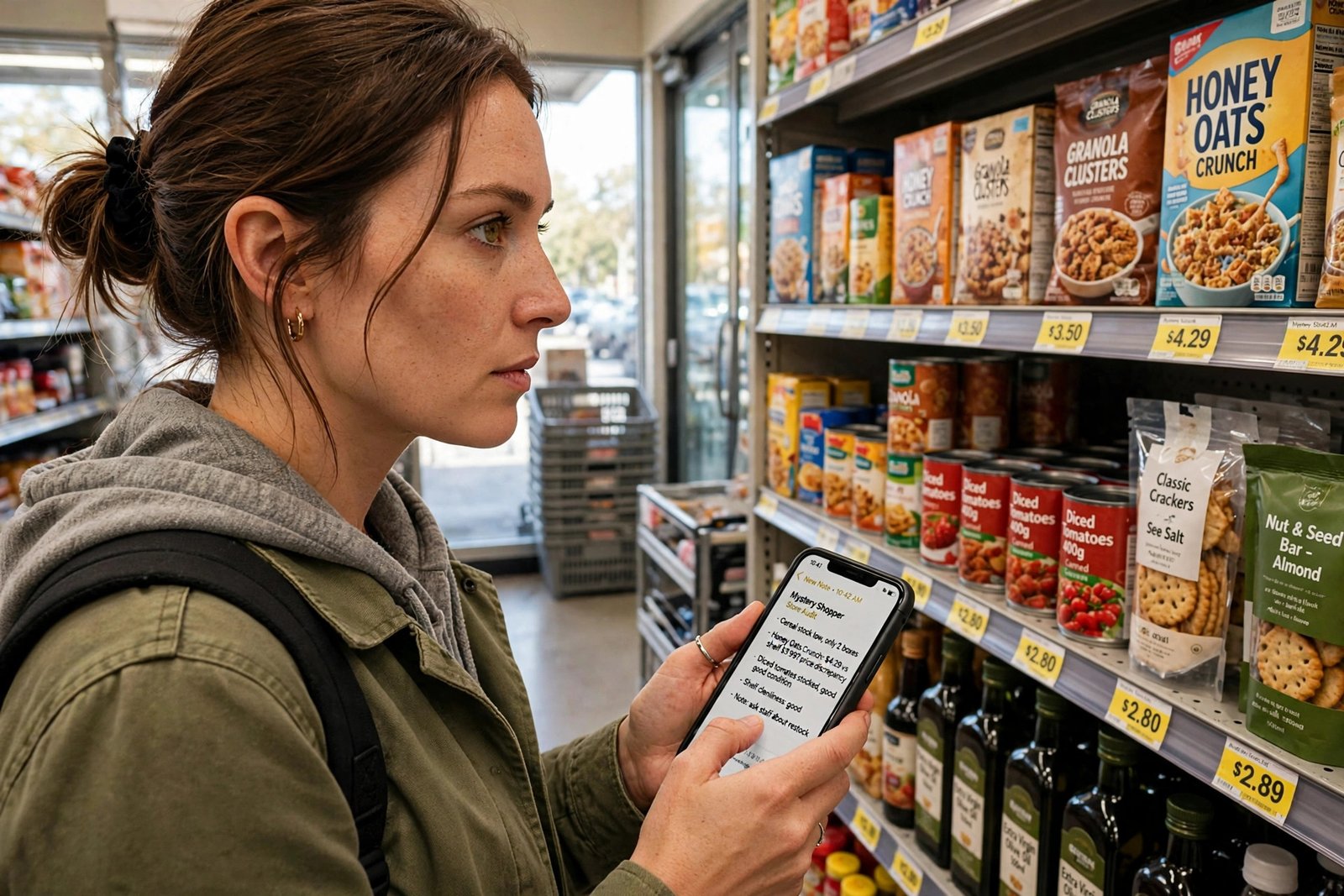
Mystery shopping is paid feedback, not free shopping. A shop, a restaurant, a bank, or a hotel hires a company to check its own service. That company, called a provider, hires shoppers to visit as normal customers and report back. You note how long you waited, whether staff greeted you, whether the shop was clean, and whether the service matched the rules. You are not testing the product. You are testing the service.
It is not product reviewing, and it is not a way to get free goods. Most shops pay a small fee plus a refund for a set purchase, and the purchase must follow the instructions exactly. The work is mostly writing. A visit takes 20 minutes, but the report can take 30 to 45 minutes, and that time is part of the pay maths.
Is mystery shopping legit
Yes, mystery shopping is a real job, but only through real providers, and only under strict rules. Real providers never charge you to join, never send you money before you work, and never ask you to wire money or buy gift cards. If a job asks for any of those, it is a scam, not mystery shopping. The US Federal Trade Commission warns about this directly in its guide to mystery shopping scams. It says that honest companies pay you, not charge you, to work for them, and that no real job involves paying to get the job.
The industry association is the Mystery Shopping Providers Association, known as MSPA. Its member directory lists real providers. Use it to check a company before you join. Search the company name online with the words review, complaint, or scam. A real provider has a history and a clear website. A scam has none of those.
How it works, step by step
Step 1: Register with several providers
Sign up for free with several MSPA listed providers. Fill in your profile fully, including your age, your car, your phone, and the areas you can reach.
Step 2: Claim a shop from the job board
Providers post shops on a job board with the fee, the refund, the location, and the deadline. Read the instructions before you claim a shop. The instructions are long and exact, and they tell you what to buy, what to ask, what to photograph, and when to file the report.
Step 3: Do the shop
Visit as a normal customer. Follow the scenario exactly. Note times, names, and details as you go, but do not take notes in front of staff, because that gives you away.
Step 4: Write notes at once
Write your notes the moment you leave, while the details are fresh.
Step 5: File the report by the deadline
Submit the report through the provider website, with photos and receipts, before the deadline. Late reports are often rejected, and a rejected report means no pay.
Step 6: Get paid on the provider schedule
Pay comes weeks later, not the same day.
Types of mystery shops
The table below shows the main shop types, the typical fee, and the time each one takes. The fees are reported by The Worth App, which gives no source for them, so treat them as a guide, not as a promise.
| Shop type | Typical fee | Time, visit plus report |
|---|---|---|
| Retail or fast food | 8 to 20 dollars, plus refund | 45 minutes to 1 hour |
| Phone or web shop | 3 to 10 dollars | 10 to 15 minutes |
| Restaurant audit | 20 dollars, plus food refund | 1 to 2 hours |
| Bank or apartment | 25 to 100 dollars | 1 to 2 hours |
| Car dealership | 25 to 100 dollars | 1 to 2 hours |
Phone and web shops suit readers with no car. Bank, apartment, and car dealership shops pay the most, but they go to shoppers with a proven record. Start with simple retail and fast food shops, and build your record before you apply for the higher paying ones.
How to start in your first week
Your first week has one goal: complete three or four simple shops well, and on time. Join four or five MSPA listed providers on day one, and complete your profile on each. Turn on notifications for shops near you. On day two, claim two simple shops in places you already visit, such as a fast food restaurant on your commute. Read the instructions twice, do the shops, and file the reports the same day. On day three, claim two more. Do not claim ten shops in your first week. A missed deadline or a sloppy report in week one will hurt your rating for months.

How much you can really make
Here is the honest pay picture. Beginner assignments usually pay 10 to 25 dollars each, according to two guides that agree on that range. One guide says side hustlers can make 200 to 500 dollars a week, but that comes from one person's experience, not from a survey. The same guide's headline claims 200 to 500 dollars a day, which its own body contradicts, because the body says 200 to 500 dollars a week for side hustlers. A daily figure seven times higher than the weekly figure in the same article cannot be trusted. Use the weekly figure, and treat even that as a high end, not as normal.
The pay that matters is your cash per hour, after travel and report time. Here is a worked example with the maths shown. Example only: these numbers are not typical results, and your shops and travel will change them.
| One week of shops | Amount |
|---|---|
| 4 retail shops at 15 dollars | 60 dollars |
| 1 phone shop | 5 dollars |
| 1 bank shop | 40 dollars |
| Total cash fees | 105 dollars |
| Refunded purchases | 60 dollars |
| Total time, visits plus reports | 9 hours |
| Cash per hour | 11.67 dollars |
The maths is 60 dollars plus 5 dollars plus 40 dollars, which equals 105 dollars. Then 105 dollars divided by 9 hours equals 11.67 dollars per hour. Refunded purchases are goods you keep, not cash. If you drive 25 minutes each way, the same 15 dollar fee can fall below 7 dollars an hour.
Route shopping: the one strategy that lifts pay
Route shopping is the one strategy that makes mystery shopping pay. It means claiming several shops that sit on one route you already travel, and doing them in a single trip. The guide that explains it best calls the high paying shops anchor shops, and the small ones filler shops. An anchor shop is a bank or restaurant visit that pays well. A filler shop is a small retail visit on the way there or back. Three or four nearby shops in one afternoon can pay 50 to 80 dollars plus refunds, according to The Worth App. Only claim shops on routes you already travel. A shop that needs a special trip usually loses money once you count fuel and time.

What a good report looks like
A good report is exact, honest, and on time. Note the time you arrived, how long you waited, the name on the staff badge, what was said, and what was not said. Note the cleanliness of the shop, the shelves, and the toilets. Photograph what the instructions ask for, and keep every receipt. Write in full sentences and answer every question the form asks. Do not guess. Reports get rejected for missing photos, for answers that contradict the scenario, and for late filing. A rejected report means no pay and a mark against your rating. Read the instructions twice before the visit, and read your report once before you submit it.
How to qualify for better paying shops
Better paying shops go to shoppers with a proven record. The path is simple and slow. Complete small shops on time, with accurate reports, for about six months. Do not miss deadlines, do not cancel shops you claimed, and do not file sloppy reports. Providers score you on accuracy and on time filing, and they offer the premium shops, such as resorts, cruises, and flights, to shoppers with the best scores. There is no shortcut. Paying for a training course does not unlock premium shops, and any company that promises it is selling you something worthless.
Risks and scams to watch for
Scams use the name of mystery shopping to steal money. The three rules below will keep you safe. Never break any of them.
Rule 1: Never pay to join. Real providers sign you up for free. A fee for a directory, a certification, or a guaranteed job is always a scam. The FTC says the certification sold in these adverts is almost always worthless, and the list of companies is available for free.
Rule 2: Never receive money before work. A scammer will send you a cheque for 2,000 to 4,000 dollars and tell you to deposit it, keep some as pay, and wire the rest back, or to buy gift cards with it. The cheque is fake. Banks make the funds available within days, but it takes weeks to uncover a fake cheque, and you are responsible for the money. The FTC explains this cheque scam in detail in its warning about fake checks and gift cards.
Rule 3: Never wire money or buy gift cards. Wiring money is like sending cash. Once it is gone, you will not get it back. No real assignment asks you to wire money, buy gift cards, or send gift card numbers to anyone. If a job asks for any of those, stop, do not deposit the cheque, and report the company to the FTC at ReportFraud.ftc.gov.
How to check a provider before you join
Use this checklist before you join any provider. First, check the MSPA member directory for the company name. Second, search the company name online with the words review, complaint, or scam, and read what shoppers say. Third, check that the company website is real, with a contact page and a clear sign up process. Fourth, confirm that sign up is free and that the company never asks for money, cheques, or gift cards. If any check fails, do not join. There are many real providers.
What it costs and what to expect
Mystery shopping costs almost nothing to start. You need a phone, internet access, and transport to shops. Real providers charge no membership fee, so any cost to join is a warning sign. Pay comes weeks after the shop, not the same day. Most providers pay every two weeks or monthly, by PayPal, direct deposit, or mailed cheque. The fees you receive are self employment income in most countries, and they are taxable. Refunds for purchases are not income, because they only repay what you spent, but keep the receipts either way. Set aside 15 to 20 percent of your fees for tax, and check your local tax authority for the exact rules. Rules differ by country, so treat this section as general guidance only.
Common mistakes
- Do not claim shops far from your normal routes. Travel time eats the fee.
- Do not skim the instructions. A missed detail can mean a rejected report and no pay.
- Do not file reports late. Late reports are often rejected, and they hurt your rating.
- Do not guess in a report. If you did not see something, say so.
- Do not pay for training, certification, or a job list. Real providers are free to join.
- Do not deposit a cheque from a stranger and send money back. It is the classic scam.
- Do not count refunds as income. They are goods you keep, not cash.
- Do not expect a full time wage. This is pocket money work, not wage replacement.
Who mystery shopping suits, and who it does not suit
Mystery shopping suits commuters, retirees, and parents who are already out running errands, because the shops fit around trips they already make. It suits people who notice detail, write clearly, and keep to deadlines. It does not suit you if you need a guaranteed income, if you cannot write clear reports, or if you do not have a car and you live far from shops. If you want route based work with faster pay, our guide on how to make money with a food delivery side hustle shows a better fit for the same hours.
Frequently asked questions
Is mystery shopping a real job?
Yes, it is real, but only through real providers, and it pays pocket money, not a wage. Real providers never charge you to join, never send you money before you work, and never ask you to wire money or buy gift cards. Check any company in the MSPA member directory before you join, and search its name with the words review, complaint, or scam.
How much do mystery shoppers get paid?
Beginner assignments usually pay 10 to 25 dollars each, plus a refund for the set purchase. Retail and fast food shops pay about 8 to 20 dollars, phone and web shops pay 3 to 10 dollars, and bank, apartment, and car dealership shops pay 25 to 100 dollars, according to The Worth App.
How do I become a mystery shopper?
Sign up for free with several MSPA listed providers, complete your profile, and claim simple shops near you. Read the instructions twice, do the shop, write your notes at once, and file the report before the deadline. Start with three or four simple shops in your first week, and build a record of on time, accurate reports.
Is mystery shopping a scam?
Mystery shopping itself is not a scam, but scams use its name. The three warning signs are a fee to join, a cheque sent before work, and a request to wire money or buy gift cards. If you see any of those, stop and report the company to the FTC at ReportFraud.ftc.gov. Real providers are free to join and they pay you, not the other way round.
Do mystery shoppers pay to join?
No. Real providers sign you up for free. A fee for a directory, a certification, or a guaranteed job is always a scam. The FTC says the certification sold in these adverts is almost always worthless, and the list of companies that hire shoppers is available for free.
How long does it take to get paid for mystery shopping?
Pay comes weeks after the shop, not the same day. Most providers pay every two weeks or monthly, by PayPal, direct deposit, or mailed cheque. Keep a record of every shop and every fee, and do not count on the money until it arrives.
Conclusion
To make money with a mystery shopping side hustle, join several MSPA listed providers for free, start with simple shops on routes you already travel, file accurate reports on time, and use route shopping to lift your pay per hour. Never pay to join, never deposit a cheque from a stranger, and never wire money or buy gift cards. Treat it as pocket money work, not as a wage.
To go further, read best weekend side hustles for other work that fits around errands, how to start a reselling side hustle for other shopping related income, and best side hustles for students for flexible work that fits around study, then browse the full Side Hustles category for more guides. The facts in this guide were checked against the FTC mystery shopping scams pages and The Worth App in November 2026.
Note for the reader: pay figures are in US dollars and reflect the sources stated in the text. Providers, fees, and rules differ by country, so check the MSPA member directory and your local rules before you join a provider. Earning results vary; nothing on this site is financial advice.