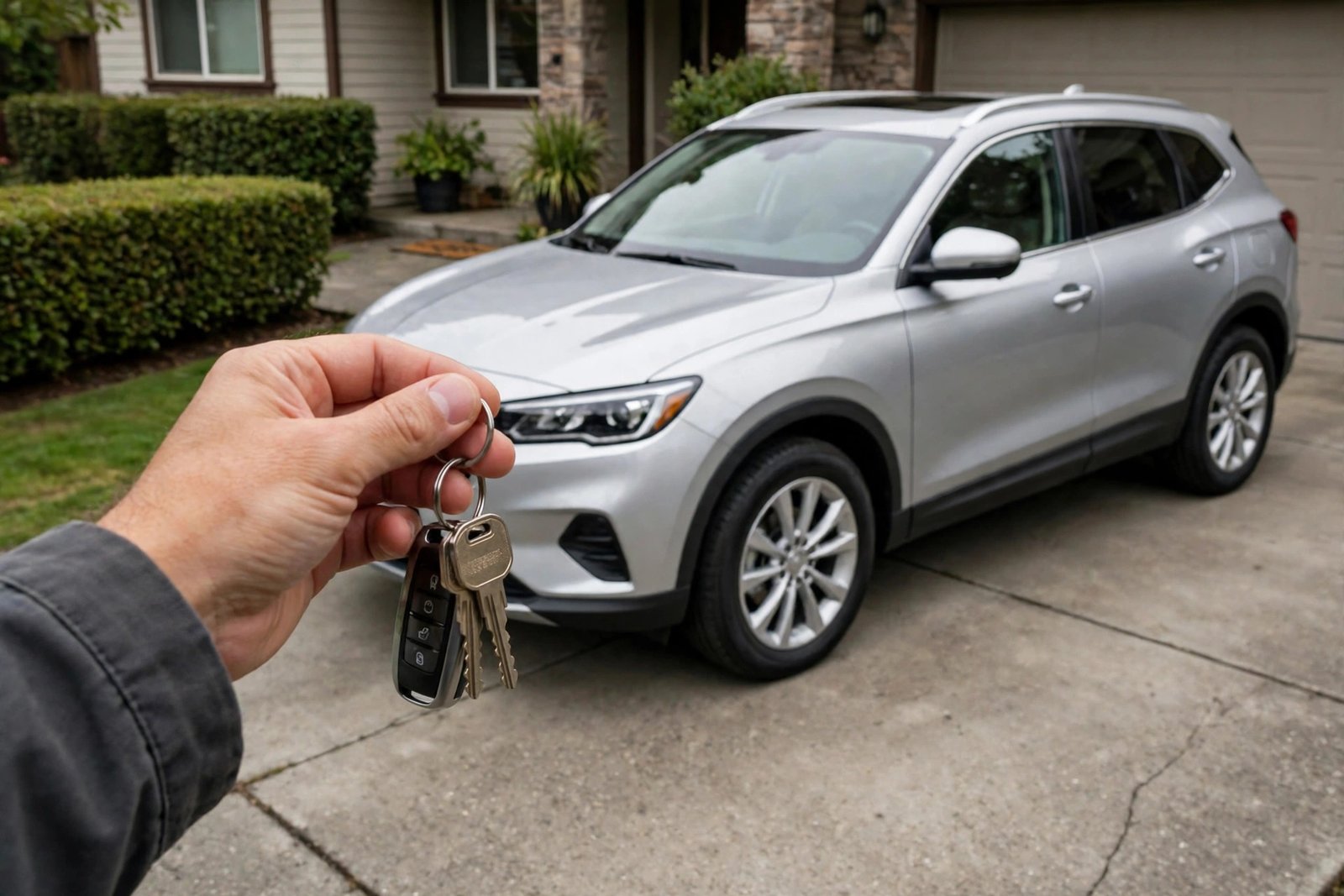
How to Make Money Renting Out Your Car in 2026
Renting out your car can earn extra money when your car sits unused for much of the week, because peer to peer platforms connect owners with people who need a car for a trip. You list your car, set your price and availability, and hand over the keys for booked trips. The platform handles payments and offers protection plans, but you still carry real costs such as cleaning, wear, and depreciation. This guide explains how it works, what it costs, and the insurance checks you must make before your first trip.
In this guide
- How peer to peer car rental works
- Step 1: Check if your car and area suit renting
- Step 2: Understand insurance and protection plans
- Step 3: Prepare your car and your listing
- Step 4: Set your price and your rules
- Step 5: Manage trips, cleaning, and reviews
- Step 6: Track costs, wear, and taxes
- What it costs and what to expect
- Common mistakes
- Risks and scams to watch for
- Frequently asked questions
- Conclusion
How peer to peer car rental works
Peer to peer car rental platforms, such as Turo and Getaround, let car owners rent their own cars to other people through an app or website. You create a listing with photos, price, and availability. A renter books your car for set dates, picks it up from you or a lockbox, and returns it at the agreed time. The platform processes payment and provides customer support and protection options.
You stay the owner. You choose when the car is available, which trips to accept where the platform allows choice, and what rules apply, such as no smoking and a daily mileage limit. In return, the platform keeps part of each trip price. The share you keep depends on the protection plan you choose, so read the current plan terms on the official platform site before you list.
This side hustle suits you if your car is in good condition, you can spare it for days at a time, and you live where visitors or locals need short term cars. It suits you less if you need your car every day, if your car is unreliable, or if extra miles would hurt a planned resale soon.
Step 1: Check if your car and area suit renting
Check platform eligibility first. Platforms set rules on car age, mileage, condition, title status, and safety features, and these rules vary by country and plan. Read the official eligibility page for your country before you invest time in photos or cleaning. As of November 2026, confirm the current age and mileage limits on the platform site, because eligibility rules change.
Check demand in your area. Search the platform as a renter in your town and see how many similar cars are listed, what they charge, and how full their calendars look. Tourist areas, airports, and cities with limited public transport often have stronger demand. Quiet areas with many cheap rental firms may not.
Check your finance and lease terms. If you finance or lease your car, your agreement may limit commercial rental use. Read your contract or ask your finance provider in writing before you list. Breaking your finance terms can cost far more than rental income.
Step 2: Understand insurance and protection plans
Insurance is the most important check in this side hustle. Your personal car insurance often does not cover rental use, and platform protection is not the same as a personal policy. You must understand what the platform covers during a trip, what you must still cover yourself, and what happens between trips.
Turo explains its host plans on its official site, and you can read the current United States host details on the Turo insurance and protection page. Plans differ by country, and the share of the trip price you keep changes with the damage responsibility you accept. Read the plan for your own country in full, including exclusions, claim deadlines, and the rule that you must still carry your own insurance to comply with the law.
| Question to answer before listing | Where to check | Why it matters |
|---|---|---|
| What does the platform cover during a trip | Official protection plan page for your country | Decides who pays for damage and liability |
| What damage amount do I pay first | Your chosen plan terms | Higher earnings share usually means higher amount paid by you |
| Does my personal insurer allow rental use | Your policy documents and insurer in writing | Personal cover may be void during rental use |
| How fast must I report damage | Platform help pages and plan terms | Late reports can lose reimbursement |
| Does my finance or lease allow renting | Your finance or lease contract | Breach can trigger fees or repossession |
Call your insurer and ask plainly whether peer to peer rental is allowed under your policy. Get the answer in writing. Never assume you are covered. If your insurer says no, do not list the car until you find cover that allows it.
Step 3: Prepare your car and your listing
Clean the car inside and out, fix small faults, and check tyres, lights, fluids, and brakes. Renters rate cleanliness and reliability heavily, and early reviews decide how often your car appears in search. Remove personal items and keep a simple kit in the car, such as a phone mount, charging cable, and cleaning wipes.
Take clear photos in daylight. Show the front, back, both sides, interior front and back, boot space, and dashboard. Photograph any existing scratches or dents for your own records before each trip. Honest photos and honest descriptions prevent disputes and bad reviews.
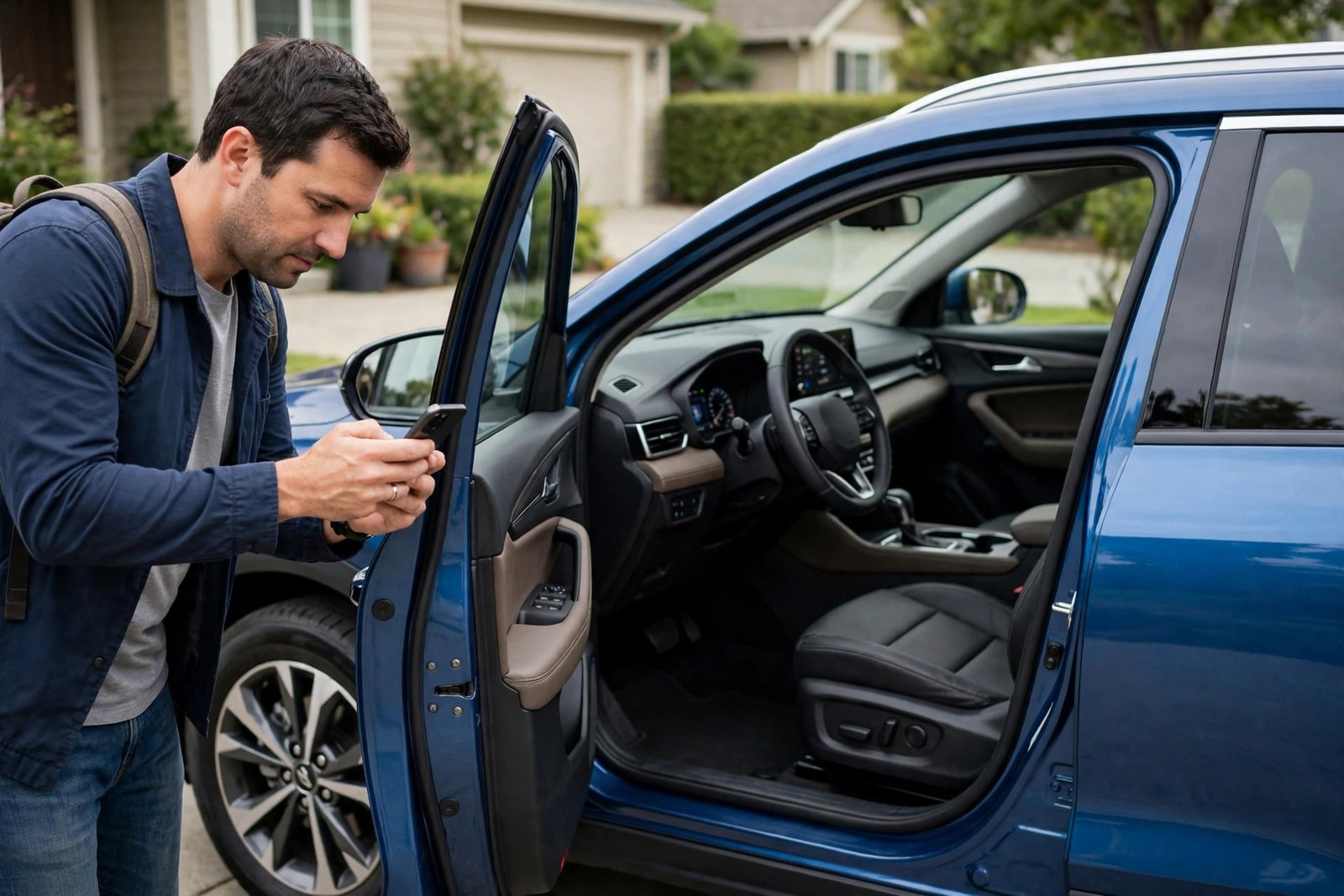
Write a listing that states the car features, fuel type, seat count, pickup location area, and your rules. State mileage limits, fuel return rules, and cleaning expectations in plain words. Renters who understand the rules before booking cause fewer problems.
Step 4: Set your price and your rules
Price against similar cars near you. Start near the local average, or slightly below it while you collect your first reviews, then adjust by season and demand. Platforms offer pricing tools, but check them against real local listings, because tools can misprice in small markets.
Set firm rules. State no smoking, whether pets are allowed, the daily mileage limit, and what happens if the car returns late or dirty, within platform policy. Decide on pickup and return times that fit your job and family life. A lockbox can allow contactless pickup, but only use one if your platform and insurer allow it and the location is safe.
Worked example
Example only: these numbers are not typical results.
Imagine you rent out a compact car for 12 days in a month at 45 US dollars per day. Your protection plan lets you keep 75 percent of the trip price. This percentage is an example only. Your real plan share depends on the plan you choose in your country.
- Gross trip price: 12 times 45, which is 540 US dollars
- Your share at 75 percent: 540 times 0.75, which is 405 US dollars
Now subtract monthly costs. Say cleaning and supplies cost 60 US dollars, extra servicing set aside is 50 US dollars, and you set aside 25 percent of your share for tax as a rough planning figure.
- Your share: 405 US dollars
- Monthly costs: 60 plus 50, which is 110 US dollars
- Amount left before tax: 405 minus 110, which is 295 US dollars
- Tax set aside at 25 percent of 405: 101.25 US dollars
- Amount left after costs and tax set aside: 295 minus 101.25, which is 193.75 US dollars
This example ignores depreciation from extra miles, your time for handovers and cleaning, and any damage amount you might pay under your plan. A single damage claim can wipe out months of profit. Recalculate with your own daily price, your own plan share, and your own country tax rules.
Step 5: Manage trips, cleaning, and reviews
Reply to booking messages quickly and politely. Fast, clear replies build trust and can improve how often the platform shows your car. Confirm pickup time, location, fuel level, and return time before each trip.
At handover, check the renter licence through the platform process, walk around the car together where possible, and photograph the car condition and fuel gauge. At return, repeat the checks before the renter leaves. Report any damage to the platform within the deadline in your plan terms, with photos.
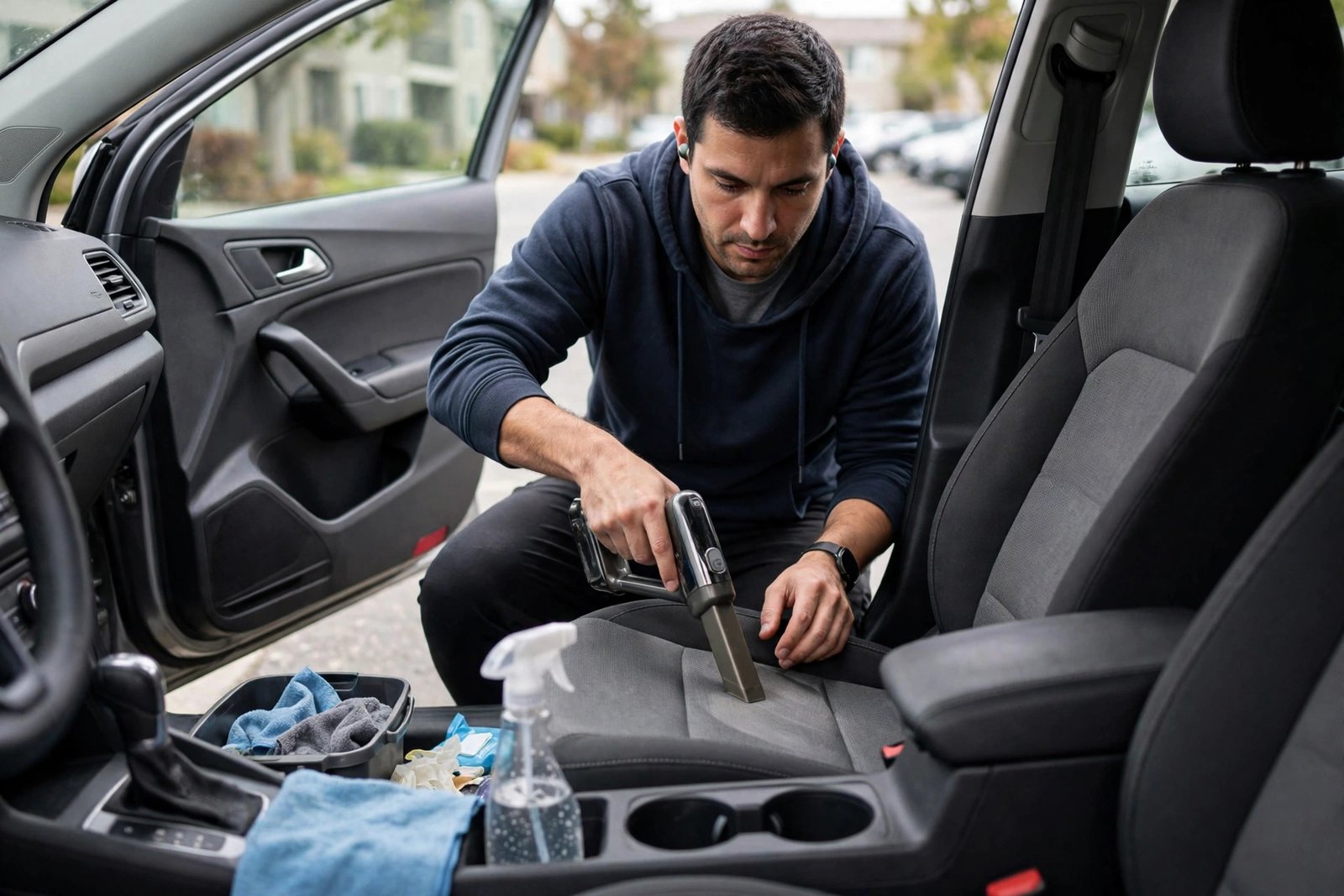
Clean the car after every trip, even short ones. A consistently clean car earns repeat bookings and strong reviews. Block your calendar for servicing, holidays, and days you need the car yourself, so you never double book your own life.
Step 6: Track costs, wear, and taxes
Keep a simple spreadsheet from your first trip. Record trip dates, gross price, your share, cleaning costs, fuel adjustments, servicing, repairs, and miles driven by renters. Review the sheet every month and ask one question. Is this car still profitable after wear and time.
Extra miles reduce resale value and bring servicing forward. Budget for more frequent oil changes, tyres, and brakes. If you plan to sell the car soon, rental miles may cost you more in resale value than they earn. Be honest with yourself about this trade.
Rental income is taxable in most countries. Platforms may send tax forms once you pass reporting thresholds, but you must report income even if no form arrives. United States readers can read official guidance on the IRS Gig Economy Tax Center, which states that side and sharing economy income must be reported. Rules differ by country, so check your local tax authority or a qualified accountant. If car work appeals to you more broadly, our guide on how to start a car detailing side hustle covers a service based option that does not rent out your own car.
What it costs and what to expect
Startup costs are low if you already own a suitable car. Expect cleaning supplies, a lockbox if you use one, and possibly a professional clean before launch. The real costs arrive later, in servicing, tyres, repairs, depreciation, and your time for handovers and cleaning.
Expect uneven bookings. Demand rises on weekends, holidays, and local events, and falls in quiet weeks. Your first bookings can arrive quickly in a strong market, or slowly in a weak one. Reviews matter a lot at the start, so price fairly and keep the car spotless while you build them.
Do not buy a car only for renting until you have tested demand with a car you already own. A car bought for rental ties up cash, adds finance risk, and may sit idle in a weak market. Test first, then decide with real numbers from your own spreadsheet.
Common mistakes
- Owners often list a car without checking personal insurance and finance terms. Confirm both in writing before your first trip.
- Many hosts price by guesswork and earn too little after the platform share. Price against local cars and include cleaning and wear in your maths.
- Hosts who skip handover photos struggle to prove damage. Photograph the car, fuel level, and mileage at every pickup and return.
- Some owners accept every trip and lose use of their own car when they need it. Block your calendar early for personal use and servicing.
- Hosts forget that extra miles cut resale value. Track renter miles and servicing costs so you know your true profit.
Risks and scams to watch for
Watch for renters who ask to pay outside the platform, extend trips by cash, or take the car without platform checks. Keep every booking, payment, and message inside the platform so protection and records apply.
Be careful with fake platform messages that ask for your password, bank details, or a fee to release earnings. Go to the official app or website yourself and check your account there. The Federal Trade Commission guidance on job scams explains the general rule that honest work never requires you to pay to get paid, and the same caution applies to rental platforms.
Understand the damage risk in plain terms. A renter can dent, stain, or crash your car. Your plan may reimburse eligible repair costs above the amount you agreed to pay first, but claims take time and your car may be off the road. Keep an emergency fund and never rent out a car you cannot afford to repair or replace.
Frequently asked questions
Is renting out my car on Turo or Getaround legal?
Peer to peer car rental through a platform is legal in many places, but rules vary by country, state, and city, and some areas restrict short term rentals. Check platform eligibility for your country, your local rules, your insurance, and your finance terms before you list.
Does my personal car insurance cover renters?
Often it does not cover rental use. Platform protection may apply during booked trips, but you usually must still carry your own insurance for legal compliance and for times between trips. Ask your insurer in writing and read your platform plan terms in full.
How much can I charge per day for my car?
Charge based on similar cars near you, your car age and condition, and seasonal demand. Start near the local average while you build reviews, then adjust. Remember that your take home pay is your plan share of the trip price, minus cleaning, servicing, and tax.
What happens if a renter damages my car?
Photograph the damage at return, report it to the platform within the deadline in your plan terms, and follow the claims process. You may pay the damage amount set by your plan first, with eligible costs above it reimbursed under the plan. Late reports can lose cover, so act at once.
Should I buy a car just to rent it out?
Test demand first with a car you already own. Buying a car for rental adds finance, insurance, and depreciation risk before you know your local booking rate. Only consider a purchase after months of tracked profit from your own spreadsheet.
How much time does car rental take each week?
Allow time for messages, handovers, cleaning, and servicing. A few trips a month can take several hours in total. Block your calendar for personal use so renting never leaves you without transport when you need it.
Conclusion
Check eligibility, insurance, and finance terms in writing, then prepare a clean car with honest photos and clear rules. Price against local cars, photograph every handover, clean after every trip, and track profit after wear and tax in a simple spreadsheet. Test with a car you own before you ever consider buying one for rental.
If you prefer driving work instead, read our guide on how to make money with a rideshare side hustle. If you are still comparing options, read our guide on how to choose the right side hustle. You can also browse more ideas in our side hustles category.
Earning results vary; nothing on this site is financial advice.