An ebook is a book a reader can buy and read within minutes, on a phone, tablet, or e-reader. For a beginner, it is one of the most accessible digital products: it needs writing skill, not design software or video equipment, and it can be sold on large stores or directly from your own page. But ebooks also compete with millions of other titles, and a book that tries to cover everything usually sells less well than a short book that solves one problem clearly.
This guide covers ebooks and guides only: choosing a focused topic, writing a book readers finish, formatting it, choosing where to sell it, understanding royalties honestly, and reaching your first readers. It does not cover templates or courses in depth, which have their own guides, and it only touches pricing briefly. Read the pricing guide before you set a final price.
Choose a focused topic readers already want
A good ebook topic sits at the meeting point of three things: a problem readers already search for, knowledge you genuinely have, and a result you can deliver in a short book. Start with problems, as with any first product. Look at questions people ask repeatedly in communities, comments, and search suggestions. A topic with existing books is a good sign: it proves readers buy books on the subject. Your job is not to invent a new subject, but to serve a specific reader better than existing books do.
Narrow the reader and the promise. "A guide to fitness" will compete with thousands of titles. "A twelve week strength plan for busy parents who train at home with dumbbells" names a reader, a situation, and a result. Narrow books are easier to title, easier to describe, and easier for a reader to choose. They also earn better reviews, because the right reader gets exactly what was promised.
Write a short book readers actually finish
Most first ebooks fail by being too long and too general. A reader buys a guide to solve a problem, not to admire its length. Aim for a book that a reader can finish in a few sittings: for most practical guides, that means roughly 15,000 to 30,000 words, or about 60 to 120 pages. Shorter is fine if the problem is narrow. A 40 page guide that a reader completes and uses beats a 200 page book that a reader abandons at chapter two.
Structure the book around the reader's journey. Open with the problem and the promise, then move step by step toward the result, in the order the reader will act. Give each chapter one job, and end each chapter with a clear next action. Use headings, short paragraphs, lists, and tables where they help, because guides are read for use, not only for reading. Include examples from real situations you know, described honestly, and avoid invented stories or results. A worked example with realistic numbers teaches more than a vague success story.
Format the book properly
Formatting is the step that separates a professional ebook from a document that happens to be sold. Readers notice bad formatting immediately: broken paragraphs, missing chapter breaks, images that do not fit the screen, and tables that overflow. Good formatting is mostly invisible, and that is the point.
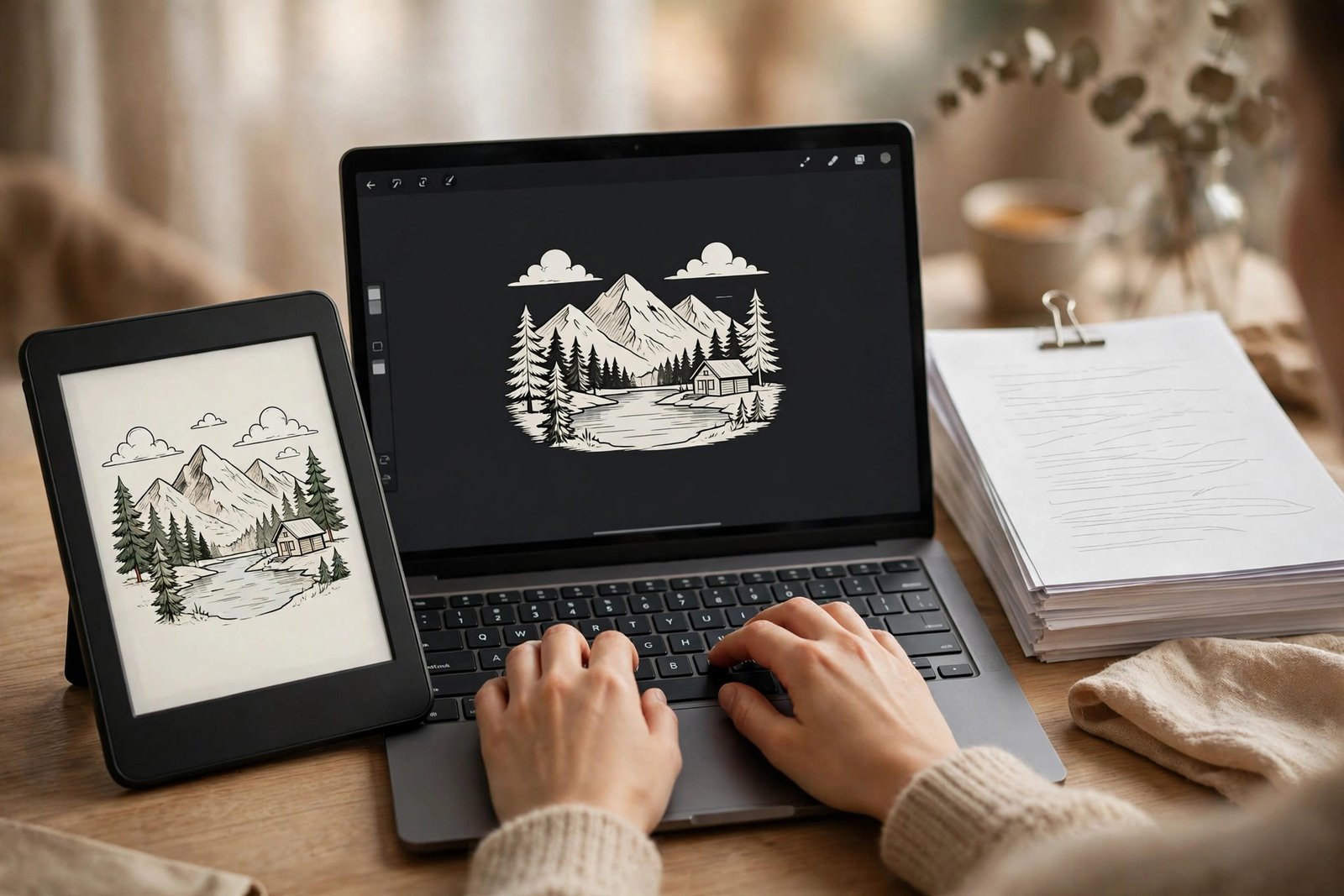
The two main ebook formats serve different purposes. EPUB is the standard for most ebook stores and e-readers, because it reflows: the text adjusts to the reader's screen size and font choice. PDF keeps an exact layout, which suits workbooks, planners, and guides where design and page position matter, but it reads poorly on small phone screens. Many authors sell both: EPUB for reading, PDF for workbooks or for direct sales where the buyer prints pages.
| Format | Best for | Reads well on | Watch out for |
|---|---|---|---|
| EPUB | Standard guides and nonfiction | E-readers, tablets, phones, most stores | Test on a real device, not only in preview software |
| MOBI or KFX | Amazon Kindle delivery | Kindle devices and apps | Amazon converts your file; check the converted result |
| Workbooks, planners, designed guides | Computers, tablets, print | Poor on small phones; keep file size reasonable | |
| Paperback via print on demand | Readers who prefer print | Physical book | Needs a print ready interior and cover; proof copy first |
Choose where to sell: stores, direct, or both
You have three main routes, and many authors use more than one. Each route trades reach against control and income per sale, so the right choice depends on your goals and your audience.
Amazon Kindle Direct Publishing, known as KDP, gives you access to the largest ebook store and to Kindle readers worldwide. You upload your manuscript and cover, set a price, and Amazon handles delivery, payment, and much of the discovery through search and recommendations. The trade is control: Amazon sets the store rules, takes its share, and can change terms. KDP also offers optional exclusivity programmes with extra promotion tools, but exclusivity means you cannot sell the same ebook elsewhere during the term, so read those terms carefully before enrolling.
Selling direct, from your own page through a platform such as Gumroad or Payhip, gives you more income per sale, your buyers' contact details, and full control over price and presentation. The trade is traffic: nobody finds your page unless you bring them there. Direct sales suit authors who already have an audience, an email list, or a community. Other ebook stores and distributors widen your reach beyond Amazon without exclusivity, but each store has its own rules and usually smaller traffic than Amazon, so weigh the setup effort against realistic sales.
Understand royalties honestly, including a real conflict
Royalties are the share of each sale you keep, and they vary by store, price, and programme. This is an area where beginners get misled by confident claims, so read this section carefully and check the live pages before you price.
For KDP specifically, published guides conflict on the royalty price band, and you should know about the conflict rather than trusting a single figure. Older guides say the higher royalty rate applies to ebooks priced from $2.99 to $9.99. Guides published in October 2026 say the band is $2.99 to $12.99. The band has changed, and the older figure still circulates widely, so neither figure should be treated as settled fact from a guide alone. Before you price your book, check the live KDP pricing page and read the current royalty terms for your country and format. Price your book based on what the live page says on the day you publish, not on what any guide, including this one, reports second hand.
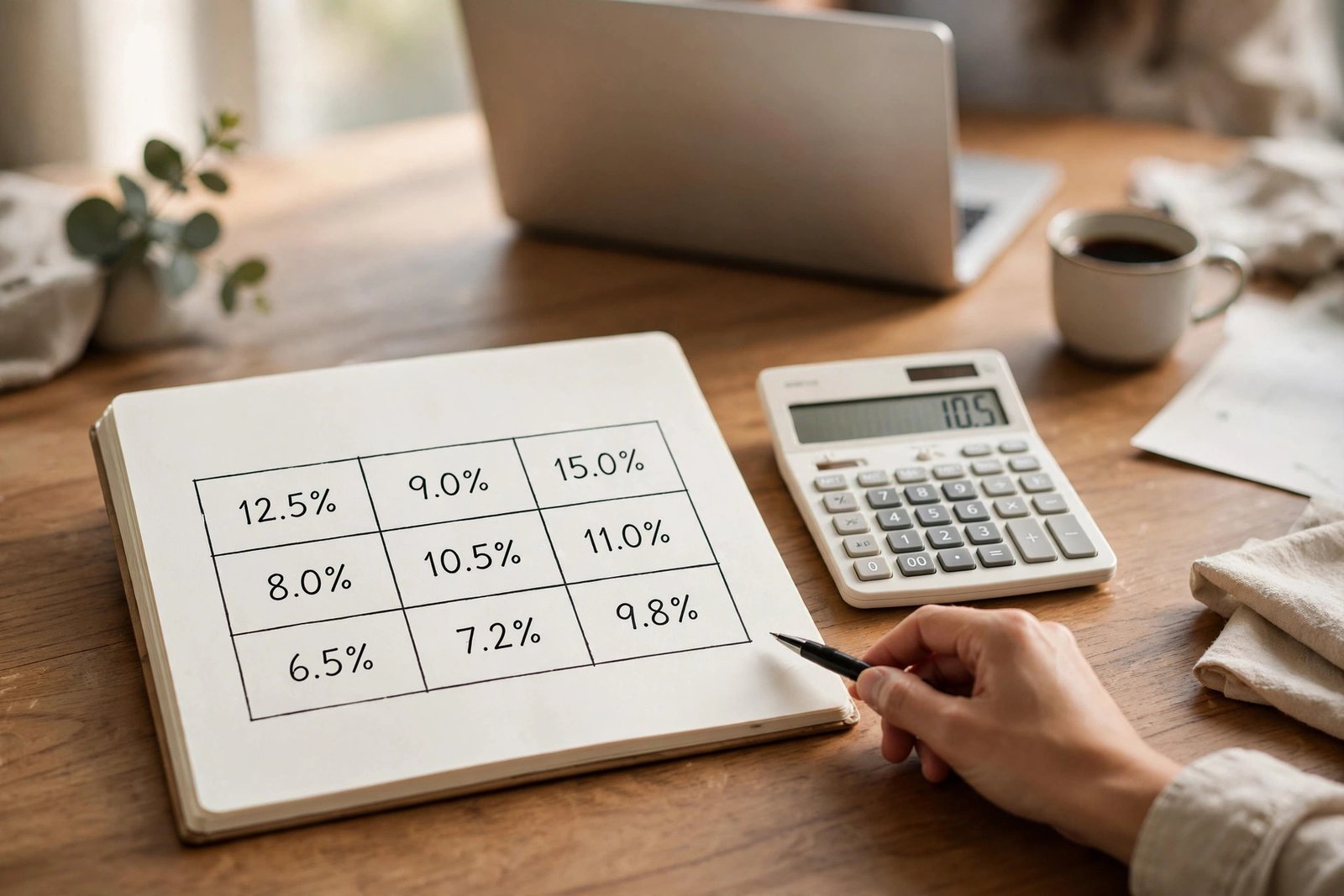
The same caution applies to every platform. Fees, royalty shares, delivery costs, and tax handling differ by store and change over time. Before you commit to a route, read the live fee and royalty page of each platform you consider, and work out what you keep per sale at your planned price after all deductions. A price that looks good before fees can be disappointing after them, and a royalty rate that applies in one country or price band may not apply in another. The pricing guide on this site shows the calculation method; the live platform pages supply the current numbers.
Reach your first readers
A book without readers is a file, not a product. Launch planning should start while you write, not after you publish. Build a simple launch list: people who asked about the topic, community members who followed your writing, and readers of any free content you shared. A short free sample chapter, offered in exchange for an email address, is a fair trade and gives you a list of people who already want the topic.
At launch, tell your list first, then share the book where your readers gather, with a clear description of who it is for and what result it delivers. Ask early readers, politely and without pressure, to leave an honest review if they found the book useful. Reviews matter enormously in ebook stores: they influence search visibility and buyer trust. Never buy reviews, never write your own reviews under another name, and never offer payment for positive reviews. Honest reviews from real readers are slower to collect and far more valuable.
After launch, keep the book visible with useful content about its topic: short articles, answers to reader questions, and updated editions when the subject changes. A second edition notice gives past readers a reason to return and new readers a reason to trust that the book is maintained. If sales are slow, treat that as information: check whether the cover, title, description, or price is the problem, and change one thing at a time. Many books find their readers gradually through search and recommendations rather than in a launch week spike.
Risks and limits
Ebook income is uneven and usually modest at first. Stores are crowded, search visibility takes time, and a book on a fast changing topic can become outdated. Returns and refunds happen, store rules change, and a book that depends on one store is exposed if that store changes its terms. Keep costs low, do not borrow to fund a first book, and do not present a first ebook as a reliable income replacement.
Results vary with topic, competition, cover, description, price, reviews, and how consistently you promote the book. Avoid income claims from sellers that promise specific earnings, and do not make such claims about your own book. A first ebook that helps real readers, earns honest reviews, and grows a small reader list is a genuine success and a base for the next book.
Frequently asked questions
Do I need an ISBN to sell an ebook?
Not always. Amazon KDP assigns its own identifier and does not require you to buy an ISBN for ebooks sold there. Other stores and distributors may handle identifiers differently, and print editions have separate requirements. Check the rules of each store you plan to use before you publish, and decide whether owning your own ISBN matters for your wider distribution plans.
What is the best format for selling ebooks?
EPUB is the best general choice for reading on most devices and stores, while PDF suits workbooks and designed guides. Many authors offer both, choosing per route: EPUB for stores, PDF for direct sales or printable companions. Test every format on a real device before launch.
How much royalty do ebook authors earn?
It depends on the store, the price, the country, and the programme, and published figures conflict, as explained above for the KDP price band. Check the live royalty page of each platform at publication time and calculate what you keep per sale after fees and delivery costs, rather than trusting a single quoted rate.
How do I market an ebook with no audience?
Share useful content on the book's topic where your readers gather, offer a free sample chapter for an email address, and collect honest reviews from early readers. Expect gradual growth through search and recommendations, and build your reader list with every book so the next launch starts stronger.
Should I sell on Amazon, direct, or both?
Amazon gives reach, direct sales give control and more income per sale, and many authors use both. Start with the route that matches your current audience: KDP for discovery if you have no audience, direct sales if you already have buyers, and add the other route once the first one works.
Your next step
Your next step is to write one paragraph naming your reader, their problem, and the result your book will deliver. If that paragraph is clear, outline the chapters in the order the reader will act, and write the first chapter this week. If the paragraph is vague, narrow the reader before you write another word.
For the wider journey, read How to Create Your First Digital Product in 2026 if you have not yet validated an idea, and read How to Price Digital Products in 2026 before you set a final price. For other product types, see How to Sell Templates Online in 2026 and How to Create and Sell an Online Course in 2026. If you are still shaping the business around the book, read How to Start an Online Business as a Beginner in 2026 and Online Business Models Explained: Which One Fits You in 2026.