A digital product is a file, a template, a guide, or a lesson that a buyer can download or access online. You build it once, and you can sell it many times without restocking a shelf or shipping a parcel. That is why so many beginners start here. The work is real, though. A product nobody wants will not sell just because it is digital, and a good product still needs buyers to find it.
This guide walks you through your first product only: choosing a problem, checking demand, building a small finished version, and selling it to your first buyers. It stays in that lane on purpose. Deeper guides on this site cover each product type in full, and the pricing guide covers how to set a price properly. Start here, finish one product, and learn from real buyers before you build a second one.
What counts as a digital product
A digital product solves one problem in a form a buyer can use right away. Common first products include a spreadsheet template, a set of social media templates, a short ebook, a checklist bundle, a Notion template, a set of presets, or a short video lesson. What they share is a clear promise: buy this, and you get a specific result faster or easier than doing it yourself.
A product is not a vague idea. "Productivity" is not a product. "A weekly planner that helps freelance writers track pitches, deadlines, and invoices" is a product. The narrower the promise, the easier it is to describe, price, and sell. Beginners often try to serve everyone and end up convincing no one. Pick one person with one problem, and build for that person.
Pick a problem worth solving
Start with problems, not products. Write down ten problems people around you complain about, or questions you keep answering in comments, chats, or at work. Good signs: people already pay for a partial solution, people ask the same question repeatedly, or people waste visible time on a task your product could shorten.
Then narrow each problem with three questions. Who exactly has this problem? What do they currently do instead? What would a solved version look like in one sentence? If you cannot answer all three, the idea is still too vague. For example: "New Etsy sellers (who) spend hours guessing at listing titles (current workaround) and want a title worksheet with proven structures (solved version)." That is a product idea. "Help people sell online" is not.
Avoid problems you cannot verify. If you have never experienced the problem and never talked to anyone who has, you are guessing. Talk to five people who have the problem before you build anything. Ask what they tried, what frustrated them, and what they would pay to fix. Their words will also become your sales page copy later, because you will describe the problem the way buyers describe it.
Validate before you build
Validation means checking that strangers, not just supportive friends, want the product. It is the step most beginners skip, and skipping it is the most common reason a first product fails. Validation does not need an audience or a budget. It needs a small test and an honest reading of the result.
One simple method is the pre-sell test. Write a one page description of the product: who it is for, what it includes, what result it promises, and the price. Share it where your target buyers already gather, such as a relevant forum, community, or social group, and invite people to join a waitlist or pre-order. If ten or more strangers sign up or ask questions, you have a signal worth building on. If nobody responds after sharing it in two or three genuinely relevant places, treat that as useful information, not a personal failure. Change the problem, the audience, or the promise, and test again.
Another method is the search test. Search for your product idea and look at what already sells. Existing competition is good news, not bad news: it proves buyers exist. Read reviews of competing products and note what buyers praise and complain about. Complaints are your product brief. If every review of budget spreadsheets says "too complicated for beginners," a simple beginner version is your opening. If no competing product exists at all, be cautious. It may mean there is no demand, or that buyers solve the problem another way.
Choose your first product type
Pick the simplest format that delivers the result. A template suits a repeatable task. A short guide suits a process a buyer must understand. A short course suits a skill that needs demonstration. A spreadsheet suits tracking or calculation. Do not pick video just because video feels premium; video takes far longer to record, edit, and update, and a buyer who wants a quick template will not thank you for a two hour course.
| Product type | Best when the buyer needs | Typical first effort | Starter price range only |
|---|---|---|---|
| Template or worksheet | To do a task faster | Low: hours to days | Low single figures to low double figures |
| Short ebook or guide | To understand a process | Medium: days to weeks | Low single figures to low double figures |
| Spreadsheet or tracker | To track or calculate | Low to medium | Low single figures to low double figures |
| Short video course | To learn a demonstrated skill | High: weeks | Low double figures and up |
| Preset, asset, or resource pack | Ready made parts to use | Low to medium | Low single figures to low double figures |
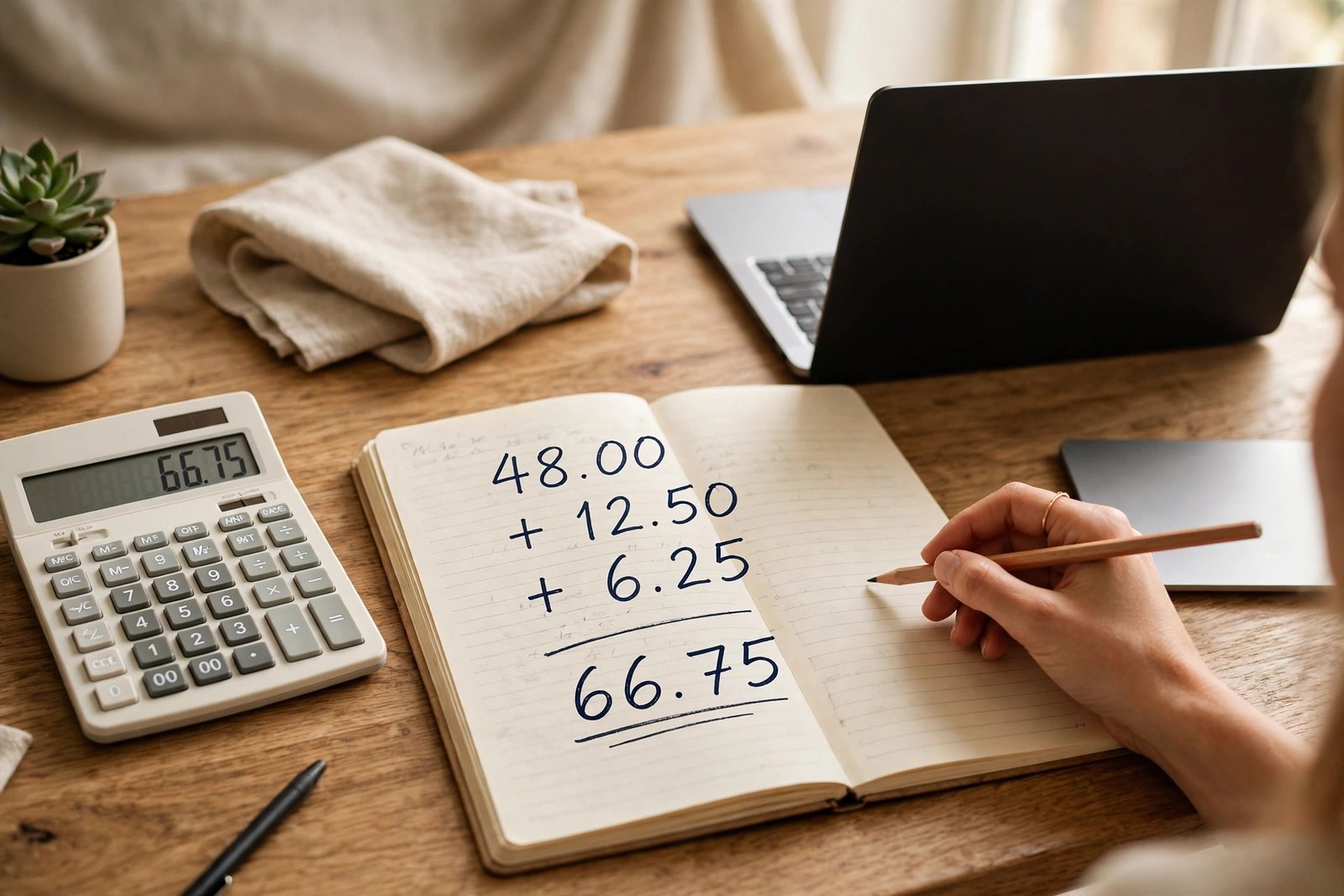
The starter ranges above are only a rough starting point for a first product. Full pricing method, including fees, tiers, and bundles, belongs in the pricing guide linked below, and you should read it before you set a final price. For your first product, a lower price is often wiser: it lowers the barrier for a buyer who does not know you yet, and it gets you feedback and testimonials faster.
Build a small, finished version
Set a build deadline of two to four weeks and a clear finish line: a file a buyer can download, a sales page, and a way to take payment. Work backwards from that finish line. List every piece the product needs, cut anything that is nice to have, and build the core first. Test it yourself as a buyer would: download it, open it on a phone and a computer, and follow its instructions without your own inside knowledge. Fix anything confusing before launch.
Set up a simple sales page
You do not need a full website to sell a first product, though this site's online business guides cover building one when you are ready. A sales page on a platform such as Gumroad, Payhip, or Etsy can handle payment, delivery, and basic tax handling. Compare platforms on the features you need: ease of setup, checkout experience, fees, and whether buyers can find you through the platform itself. Fees change, so check each platform's live fee page before you commit, and include those fees in your price calculation rather than discovering them after your first sale.
Your sales page needs six elements: a clear title that names the result, a short description of who it is for, a list of exactly what is included, a preview (a screenshot, a sample page, or a short video), the price, and a refund policy. Show the product, not just describe it. A buyer who can see a template page or read a sample chapter trusts the product far more than a buyer who only reads promises. If you have no testimonials yet, say nothing rather than inventing any. Early buyers and honest reviews will fill that gap.
Launch to your first buyers
A launch is simply telling the right people, in the right places, that the product exists and is ready to buy. Start with the people who showed interest during validation: your waitlist, the communities where you tested the idea, and anyone who asked for updates. Tell them first, and give them a reason to act now, such as a launch price that rises after a set date. Early buyers give you feedback, reviews, and proof that the product works for real users.
Then expand one channel at a time. One channel done well beats five channels done badly. If your buyers gather on one platform, post genuinely useful content there and link the product where it helps, rather than posting the same sales message everywhere. Answer questions, share a sample, and let the product's usefulness do the persuading. Keep a simple record of where each sale came from, so you know which channel deserves more effort next time.
Risks, limits, and honest expectations
Digital products have real limits. Income is not automatic and not passive at first: you still need to find buyers, answer questions, and update the product. Sales can be slow for weeks, especially without an audience. Refunds happen, platforms change rules and fees, and products can become outdated. Keep costs low, do not borrow money to build a first product, and do not quit a stable income on the hope of first product sales.
Results vary with your niche, your audience, your price, your product quality, and how consistently you promote it. Two people can build similar products and get very different results because their audiences and timing differ. Treat income claims from sellers with caution, especially claims without evidence. Your own first product is an experiment with a low cost and a useful lesson, whatever the sales number.
Legal and tax basics also matter. You are responsible for the tax and legal rules that apply to you, and those rules vary by country. Selling platforms handle some tax collection, but not necessarily all of it. If your product gives advice in a regulated area such as finance, health, or law, be careful: present general information, explain your limits, and do not present yourself as a licensed professional unless you are one. When in doubt, keep the product in an area you genuinely know, and check local rules before you scale.
Frequently asked questions
What is the easiest first digital product to create?
The easiest first product is usually a template, worksheet, or checklist. It needs no recording, no long writing, and a buyer can judge its value from a preview. Pick a task your target buyer repeats, and make it faster or simpler.
How long does a first digital product take to build?
A simple template or checklist can take a weekend. A short guide usually takes one to three weeks. A short video course usually takes three to six weeks including recording and editing. Set a deadline before you start, and cut scope rather than extending the deadline indefinitely.
Do I need an audience before I sell a digital product?
No, but you need a way to reach buyers. Without an audience, your reach comes from search, marketplaces, communities, and useful content posted where buyers gather. Validation without an audience is possible, as described above, but expect slower early sales and plan to build an audience alongside the product.
How much should I charge for my first digital product?
Start low enough that a stranger can say yes without much thought, and high enough that the sale feels worthwhile after fees. The starter ranges in the table above are a rough guide only. Read the full pricing guide before you set a final price, and check each platform's live fee page.
What if nobody buys my first product?
Treat it as data. Ask the people who saw it why they did not buy, check whether the problem or the price was wrong, and check whether you reached the right buyers at all. Many first products fail on reach or problem choice, not on quality. Fix one variable, relaunch, or move to a better validated idea.
Your next step
Your next step is a one week validation test. Write down ten problems, pick the strongest one, and test it with a one page description shared where your buyers gather. If strangers respond, build the smallest finished version and launch it. If they do not, change one variable and test again. One finished product and ten honest sales will teach you more about selling digital products than months of planning.
To go deeper, read the type specific guides next: How to Sell Templates Online in 2026, How to Create and Sell an Online Course in 2026, and How to Sell Ebooks and Guides Online in 2026. Before you set your price, read How to Price Digital Products in 2026. If you are still deciding whether a digital product fits your wider plan, read How to Start an Online Business as a Beginner in 2026 and Online Business Models Explained: Which One Fits You in 2026.