How to Start a Fashion Blog and Make Money in 2026
To start a fashion blog and make money from it, you need a clear niche, your own photos, and a patient plan for income. Fashion is one of the most visual subjects on the internet, so readers judge your blog by what they see first. Good photos and honest advice matter more than a perfect design or a large budget. This guide walks you through each step in order, from picking your niche to adding your first income method. It is written for a complete beginner, and it keeps costs and timelines honest.
In this guide
- Step 1: Pick a narrow fashion niche
- Step 2: Choose a name and a domain
- Step 3: Set up your blog on WordPress
- Step 4: Design your blog for photos first
- Step 5: Plan your first ten posts
- Step 6: Publish and promote your blog
- Step 7: Add income methods in the right order
- What it costs and what to expect
- Common mistakes
- Risks and scams to watch for
- Frequently asked questions
Step 1: Pick a narrow fashion niche
A niche is the specific part of fashion you write about. Broad topics such as fashion in general are hard to stand out in, because large magazines already cover them. A narrow topic lets you become the blog readers trust for one clear thing. It also helps brands and advertisers understand who reads your blog.
Start by listing three or four fashion topics you know well and enjoy. Then check what already exists for each one. Search for the topic and read the top results. Ask what you could add that they do not cover, such as your own sizing notes, honest price comparisons, or step by step outfit building for a body type or budget that others ignore.
| Niche idea | Who it helps | Why it can work |
|---|---|---|
| Capsule wardrobes on a budget | Readers who want fewer, better clothes | Clear buying guides and repeat readers |
| Sustainable and secondhand fashion | Readers who want to shop less and waste less | Strong community and many story angles |
| Plus size styling | Readers who are poorly served by mainstream blogs | Loyal audience and clear product needs |
| Workwear for small budgets | Office workers and job seekers | Practical posts with everyday value |
| Vintage clothing care | Thrift shoppers and collectors | Evergreen how to content that stays useful |
Pick one niche and stay with it for at least your first twenty posts. You can widen the topic later, once readers know what your blog stands for. Our guide on how to choose a blog niche walks through this choice in more detail.
Step 2: Choose a name and a domain
Your blog name should be short, easy to spell, and easy to say out loud. Avoid hyphens, numbers, and words with more than one spelling. A name that includes your niche helps readers understand the blog at a glance, such as a name built around capsule wardrobes or vintage style. Check that the matching domain name is free, and check the same name on Instagram and Pinterest, because those two platforms matter a lot for fashion.
A domain name is your web address, such as yourblog.com. It is usually registered for one year at a time and renewed each year. A domain often costs about 10 to 15 US dollars per year, but prices differ by provider and by ending, so check the current price before you buy. Keep the name short enough to fit on a business card and simple enough to spell over the phone.
Do not spend weeks on the name. A good name you can start with beats a perfect name you never use. You can change your design and your topics later, but changing a domain name later costs you search traffic, so pick something you can live with for years.
Step 3: Set up your blog on WordPress
Most fashion bloggers use self hosted WordPress, which is free blogging software that you install on your own hosting account. Self hosted means you pay for hosting and you control the site, including which ads and affiliate links you use. Free hosted blogs often place their own ads on your pages or limit how you can earn, so they are a poor choice if you plan to make money.
You need four things to get started. First, a domain name, which is your web address. Second, hosting, which is a server that stores your site files and makes them available online. Look for reliable uptime, regular backups, and a free SSL certificate, which encrypts traffic and shows a padlock in the browser. Third, WordPress itself, which most hosts install with a one click installer. Fourth, a theme, which is the template that controls how your site looks.
Our step by step guide to start a blog on WordPress covers the setup in full. Before you publish posts or add any ads or affiliate links, create three pages. An About page says who you are and what you write about. A Contact page gives readers and brands a way to reach you. A Privacy Policy page explains what data your site collects, including cookies. Google asks for a privacy policy before it approves AdSense, and most affiliate and advertising programmes expect one too.
Step 4: Design your blog for photos first
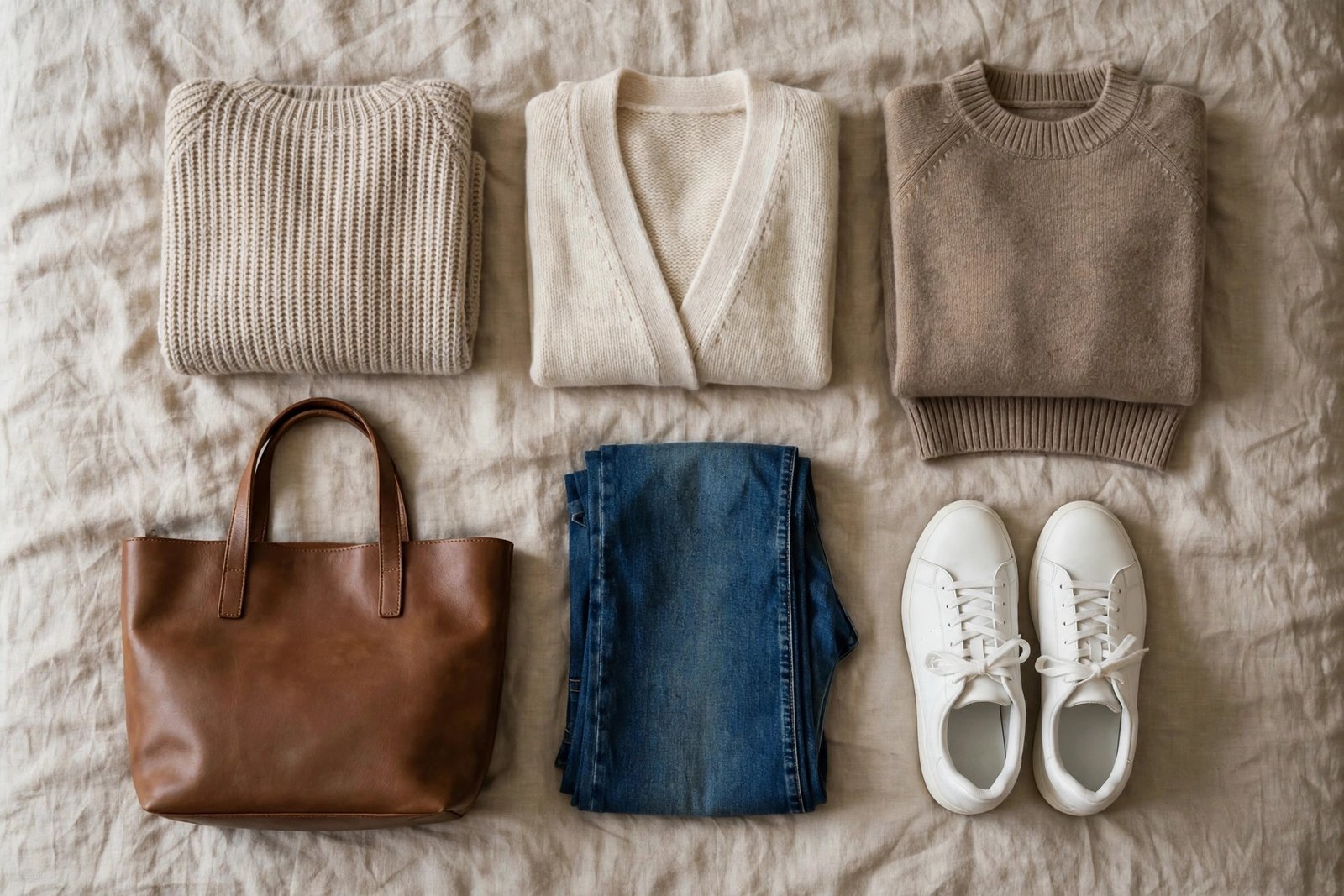
Fashion is visual, so your design must show photos well. Pick a lightweight theme that loads fast and displays large images cleanly on a phone, because most of your readers will visit on a phone. Test the theme on your own phone before you commit to it. If the photos look small or cropped in a strange way, try a different theme.
Keep the layout simple. Use one clear menu with links to your main topics, your About page, and your Contact page. Use large, sharp photos and compress them before you upload them, so pages load fast. A photo that is too large slows the page down and pushes readers away. Add alt text to each photo, which is a short description of what the image shows. Alt text helps readers who use screen readers, and it helps search engines understand the image.
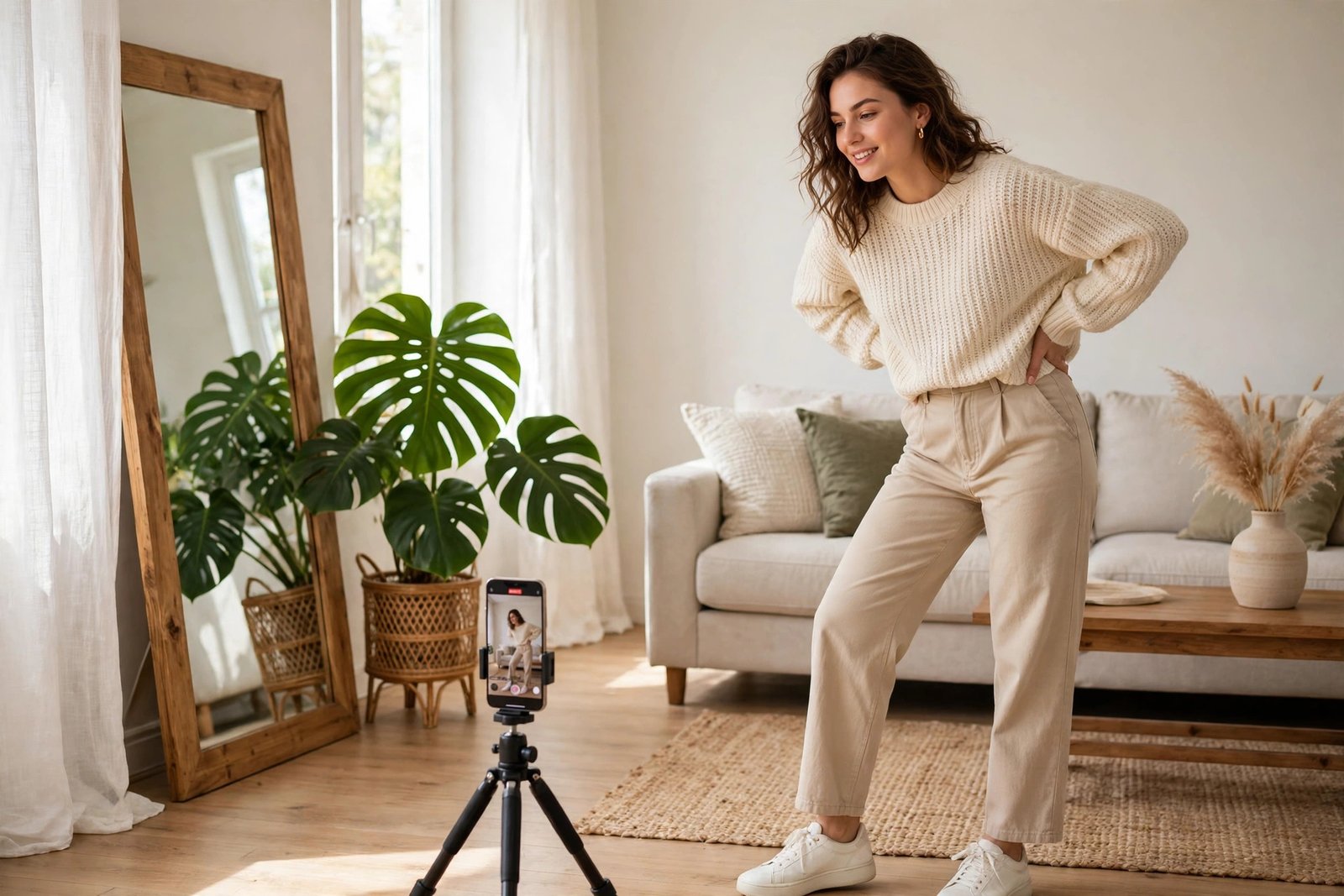
Your own photos are your biggest advantage. Brand product photos usually need permission, and stock photos look the same on every blog. Take your own outfit photos in natural light, against a plain background, and show the clothes as a reader would wear them. You do not need expensive equipment to start. A phone camera, a tripod, and a bright room are enough for your first posts.
Step 5: Plan your first ten posts
Do not publish one post and then stop. Plan your first ten posts before you launch, and aim to publish three to five of them in your first week. Each post should answer a question a reader might type into a search engine. Good first posts for a fashion blog include a capsule wardrobe plan, a guide to buying secondhand coats, a care guide for wool knitwear, and a work outfit plan for a small budget.
Mix three kinds of post. How to guides solve a problem, such as how to build a work capsule wardrobe on a budget. Lists help readers compare choices, such as five winter coats that last more than one season. Opinion and trend posts show your taste, such as three trends worth trying and two to skip. How to guides and lists bring in search traffic, while opinion posts build your voice and keep readers coming back.
Write each post to be genuinely useful. Answer the main question in the first paragraph. Use short headings to break up the text. Add your own photos near the part of the post they illustrate. Clear titles and short headings help both readers and search engines follow the post.
| First ten posts | Type | Why it helps |
|---|---|---|
| How to build a capsule wardrobe on a budget | How to guide | Solves a clear problem |
| How to tell if a secondhand coat is well made | How to guide | Evergreen and searchable |
| How to care for wool knitwear | How to guide | Repeat traffic each winter |
| Five work outfits for under 150 dollars | List | Easy to share and compare |
| Three trends worth trying this season | Opinion | Shows your taste and voice |
| What I bought, kept, and returned this month | Diary | Builds trust with honest notes |
Step 6: Publish and promote your blog
Publishing is only half the work. New blogs get very little search traffic at first, so you need to bring readers to your posts. Pinterest and Instagram suit fashion better than any other platform, because both are visual and both reward good photos. Pin each post with a clear vertical image, and share outfit photos on Instagram with a link back to the full post on your blog.
Post on a steady schedule you can keep, such as one post a week. A regular schedule builds trust with readers and gives search engines fresh content to find. Write a short email newsletter for readers who want new posts in their inbox. An email list is the income stream you control most, because you do not depend on search or social media rules to reach subscribers. Our guide on how to build an email list for a blog explains how to start one.
Guest posting on other blogs in your niche can also bring readers. Offer a useful post to a blog your readers already visit, and include a link back to your own blog. Track which posts bring visitors with a free analytics tool, and write more of what works.
Step 7: Add income methods in the right order
Most fashion bloggers use more than one income method. Relying on a single stream is risky, because one programme can change its rules or stop paying. Add income methods in this order: affiliate links first, then display ads, then sponsored posts, then your own products. Start with affiliate links because they need the least traffic. Wait for ads and sponsored posts until you have steady visitors.
An affiliate link is a special link. If a reader buys through it, you earn a commission, which is a share of the sale price. Fashion affiliate programmes include large retailers and fashion marketplaces. Recommend only products you would be comfortable with your readers buying, and check each programme's current terms on its own website, because commission rates change. Our guide on how to monetise a blog with affiliate marketing explains how to add affiliate links properly.
Display advertising means showing ads on your pages and earning money when readers view or click them. Google AdSense is the usual starting point. AdSense does not publish a fixed traffic minimum, but your site needs original content and a privacy policy, and you must be at least 18 years old to apply. Google pays you once your earnings reach its payment threshold, which is 100 US dollars for a US dollar account, as of November 2026. Check the current thresholds on Google's AdSense payment thresholds page before you apply. Our guide on how to monetise a blog with display ads covers this in more detail.
A sponsored post is a post a brand pays you to write about its product. Brands prefer blogs with a defined niche and an engaged audience, so a focused fashion topic helps. Agree the fee, the deadline, and what you will and will not say before you start writing. Never write a positive review of a product you do not like, and always label sponsored content clearly. Our guide on how to monetise a blog with sponsored posts explains how to price and handle brand work.
Your own products can pay best of all, because you keep the full sale price. A fashion blogger can sell a style guide, a capsule wardrobe checklist, or a short video course. Start with one small product that solves a problem your readers already ask about, and sell it from your own blog before you build a full shop.
| Income method | When to add it | What it needs |
|---|---|---|
| Affiliate links | After your first ten posts | Readers who trust your taste |
| Display ads | Once traffic is steady | Original content and a privacy policy |
| Sponsored posts | Once brands notice your blog | A clear niche and engaged readers |
| Your own products | Once you know what readers ask for | One small product that solves a problem |
| Email newsletter | From the first month | A free signup form on every post |
What it costs and what to expect
Starting a fashion blog costs very little, but it takes months of steady work before it earns anything. A domain name often costs about 10 to 15 US dollars per year. Shared hosting often costs a few dollars per month when you pay for a year at a time. A free theme and free plugins are enough to start, so you can launch for well under 100 US dollars in your first year. A paid theme, a better camera, or a photo editing tool can wait until the blog earns money.
Expect slow growth. Most new blogs take six months to a year to earn a small amount, and several years to build a stable income. Plan for months with no income at all, and treat early earnings as a bonus rather than a wage. The bloggers who succeed are usually the ones who keep publishing useful posts long after the excitement of launch has faded.
Worked example
Example only: these numbers are not typical results. Imagine your blog gets 5,000 page views in a month. Suppose 2 percent of those visitors click an affiliate link. That is 5,000 times 0.02, which equals 100 clicks. Suppose 5 percent of those clicks lead to a purchase. That is 100 times 0.05, which equals 5 sales. Suppose each sale is worth 40 US dollars, so total sales are 5 times 40, which equals 200 US dollars. Suppose your commission is 5 percent. That is 200 times 0.05, which equals 10 US dollars from affiliate links.
Now add display ads. Suppose your ad rate is 5 US dollars for every 1,000 views. That is 5,000 divided by 1,000, which equals 5, times 5 US dollars, which equals 25 US dollars. Add the two together: 10 plus 25 equals 35 US dollars for the month. This is a small amount, and it shows why traffic matters so much. At 50,000 views a month, the same rates would give about 350 US dollars. Your real numbers will differ, because rates, click rates, and buying rates all vary.
Common mistakes
- Starting with a broad topic such as fashion in general instead of a narrow niche that readers can remember.
- Adding ads and affiliate links before you have useful content and regular readers.
- Using photos you do not have the right to use, such as brand photos copied from a shop website.
- Publishing one post and then going quiet for months, which loses the few readers you gained.
- Writing only about trends, which go out of date fast, and never writing evergreen guides that keep bringing traffic.
- Hiding affiliate links or sponsored content instead of labelling them in plain words near the link.
- Copying other bloggers instead of building your own voice, photos, and opinions.
Risks and scams to watch for
Fashion blogging has real risks, and the biggest one is breaking disclosure rules. In the United States, the Federal Trade Commission sets rules for endorsements in its Endorsement Guides, which were revised in 2023. The rule is simple: if you are paid, or given something free, you must say so. Place the disclosure close to the recommendation and before any affiliate link, in plain words such as "This post contains affiliate links" or "The brand sent me this dress for free". Do not hide it in a footer, and do not rely on a hashtag alone. Read the FTC's own Disclosures 101 guide for social media influencers before you publish sponsored content. Rules differ by country, so check the rules where you and your readers live.
Watch for fake brand deals. A real brand will contact you from a company email address and agree clear terms in writing. Be careful if a "brand" asks you to pay for shipping, buy a starter kit, or pay a fee to join a programme. Real affiliate programmes are free to join. Never pay to become an affiliate, and never share your bank details with a brand that contacts you first.
Image copyright is another risk. Only use photos you took yourself, photos you bought a licence for, or photos with a clear free licence. Brand product photos usually need permission. If a brand sends you clothes, ask in writing whether you may photograph and publish them.
Frequently asked questions
How much does it cost to start a fashion blog?
A fashion blog can start for well under 100 US dollars in the first year. A domain name often costs about 10 to 15 US dollars per year, and shared hosting often costs a few dollars per month. A free theme and free plugins are enough to begin, and you can add paid tools later when the blog earns money.
How long does it take to make money from a fashion blog?
There is no fixed timeline. Many bloggers take six months to a year to earn a small amount, and several years to build a stable income. Income depends on your traffic, your niche, and the programmes you join. Plan for slow growth and keep publishing useful posts.
Do I need to be a fashion expert to start a fashion blog?
No, you do not need a fashion degree or a job in the industry. You need a clear point of view, honest advice, and photos that show your style well. Readers trust bloggers who are honest about what they know and what they are still learning.
Can I start a fashion blog on Instagram instead of a website?
You can start on Instagram, but you do not own a social media account. Platform rules and reach can change without notice, and you cannot run your own ads or affiliate links as freely. A website with your own domain gives you more control over your content and your email list.
What should I write about first on a fashion blog?
Start with posts that solve a clear problem, such as how to build a capsule wardrobe on a budget or how to care for wool knitwear. These posts stay useful for a long time and bring in search traffic. Add trend and opinion posts once you have a base of useful guides.
How do fashion bloggers get sponsored posts?
Brands usually approach blogs with a clear niche and an engaged audience, so focus on useful content and steady traffic first. You can also pitch brands directly with a short email that shows your traffic, your audience, and examples of your best posts. Agree the fee and the terms in writing before you start.
Conclusion
To start a fashion blog and make money from it, pick one narrow niche, set up your own WordPress blog, publish useful posts with your own photos, and add income methods in the right order. Start with affiliate links, then ads, then sponsored posts, then your own products. Keep your costs low, publish on a steady schedule, and give yourself at least a year before you judge the results.
Read our beauty blog guide if your niche leans towards beauty as well as style, our affiliate marketing guide to set up your first affiliate links properly, and our sponsored posts guide before you accept your first brand deal. You can browse all our blogging guides on the blogging category page.
Earning results vary; nothing on this site is financial advice.